
Veronica albicans
Veronica albicans Petrie
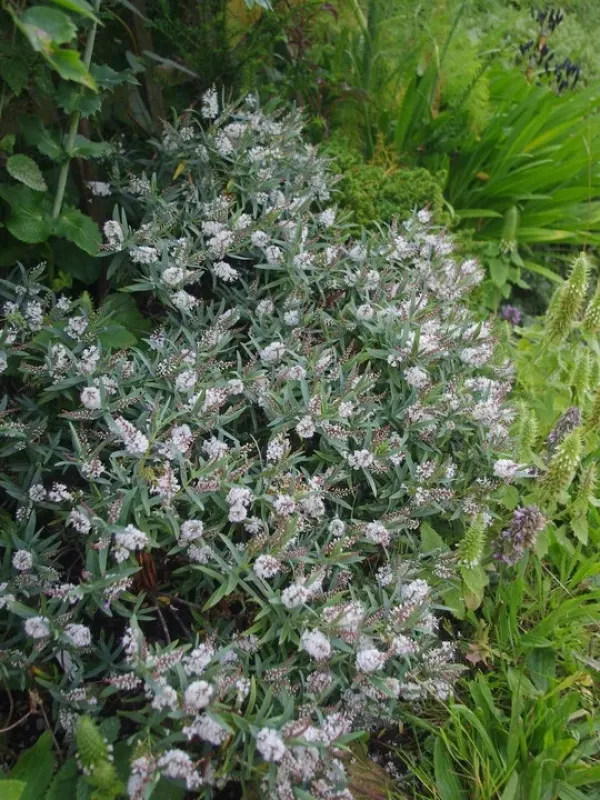
Description
Growing requirements
Veronica albicans (Veronica albicans Petrie) is an evergreen shrublet belonging to the Plantaginaceae family. Native to the mountainous regions of New Zealand, this plant is naturally adapted to rocky slopes and alpine meadows where drainage is excellent and soil nutrient levels are modest.
Successful cultivation requires soil that is gritty, well-drained, and neutral to slightly acidic. The plant is highly sensitive to waterlogged conditions, making it essential to plant it in raised beds or on slopes if the natural soil composition is heavy or clay-based.
In terms of climate, Veronica albicans prefers cooler temperatures and does not thrive in intense summer heat combined with high humidity. It is considered a hardy plant for many temperate gardens, although it may require protection during extreme winter frosts.
Full sun is necessary to maintain the plant's characteristic compact habit and dense, grayish-green foliage. Providing adequate spacing between plants ensures better air circulation, which is critical for reducing the risk of fungal diseases that often affect this species.
Routine maintenance includes light pruning after flowering to encourage bushiness and the removal of spent flower spikes. Watering should be deep but infrequent, allowing the top layer of soil to dry out significantly between irrigation sessions to prevent root rot.
Main diseases and pests
The primary threat to Veronica albicans is root rot, which typically occurs in poorly drained soils or due to overwatering. Proper soil preparation and the addition of inorganic material like volcanic grit can prevent this issue effectively.
Powdery mildew can manifest during periods of high humidity and stagnant air, especially if the plants are placed too closely together. Using preventative fungicides and ensuring proper spacing are standard management practices for ornamental plantings.
Aphids can pose a risk during the spring flush of growth, congregating on the succulent tips of the stems. If left unchecked, these insects can cause deformed leaves and weaken the plant, so monitoring is advised throughout the growing season.
Nematode infestations can lead to stunted growth and general decline of the shrub. Using certified disease-free nursery stock is the best method to avoid introducing these pests into the garden soil.
Overall, Veronica albicans is a robust performer in appropriate settings. By avoiding excessive moisture and ensuring a high-light environment, gardeners can prevent most common health issues and enjoy a long-lived, attractive shrub.