
Veronica speciosa
Veronica speciosa R. Cunn. ex A. Cunn.
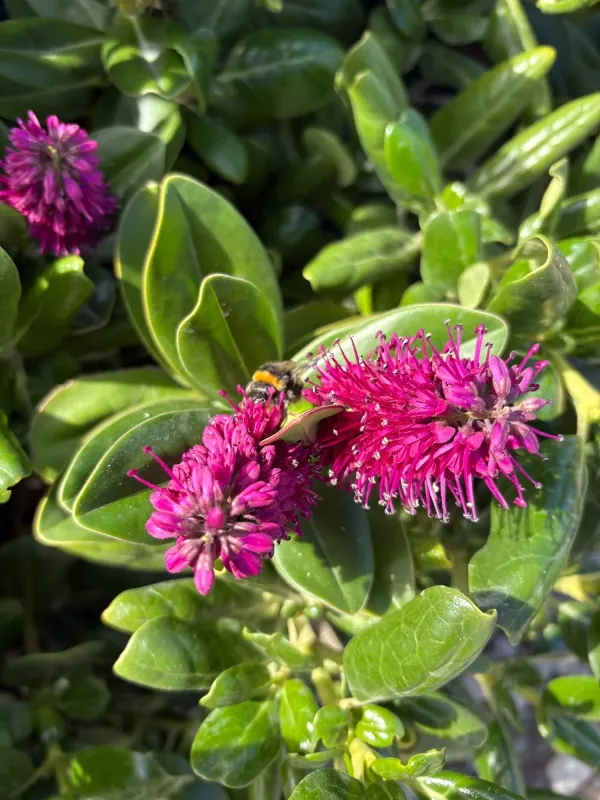
Description
Growing requirements
Veronica speciosa, commonly known as the showy speedwell, is a robust evergreen shrub belonging to the Plantaginaceae family. Originally native to New Zealand, this plant is widely appreciated in landscaping for its deep green foliage and dense, elongated spikes of flowers.
Successful cultivation of this species requires well-drained, fertile soil that retains moisture without becoming waterlogged. It thrives best in environments that mimic its native maritime habitat, characterized by moderate humidity and mild temperatures.
The plant performs best when situated in full sun to partial shade, depending on the intensity of the regional climate. In cooler areas, a sunny spot is essential to ensure proper development and to encourage a profuse blooming season.
Proper soil preparation involves incorporating organic matter to improve aeration and nutrient content. A neutral to slightly acidic pH range is generally preferred for optimal nutrient uptake and root health.
Maintenance tasks include regular watering during dry spells and a balanced fertilizer application during the early spring. Pruning should be performed immediately after flowering to maintain the plant's shape and stimulate new, healthy growth for the following season.
Main diseases and pests
Aphids are the most common pests that infest the tender new growth of Veronica speciosa. Regular inspection of leaf tips and the use of horticultural soap or systemic insecticides can effectively manage these infestations.
Spider mites can become a significant issue, particularly in hot and arid conditions. Maintaining adequate ambient humidity and using appropriate miticides are standard practices for managing mite populations on these shrubs.
Root rot is a critical threat often caused by poorly drained soil or excessive irrigation. Ensuring a high-quality drainage layer is the primary defense against this destructive fungal condition.
Powdery mildew may occur if the foliage remains damp in shaded areas with poor air circulation. Proper plant spacing and avoiding overhead irrigation during the evening can significantly reduce the risk of this infection.
In cases of severe pest or disease outbreaks, it is essential to isolate affected plants and apply targeted treatments. Integrated pest management, including regular monitoring and sanitation, is recommended for long-term plant vitality.