
Koromiko
Veronica salicifolia G. Forst.
Description
Growing requirements
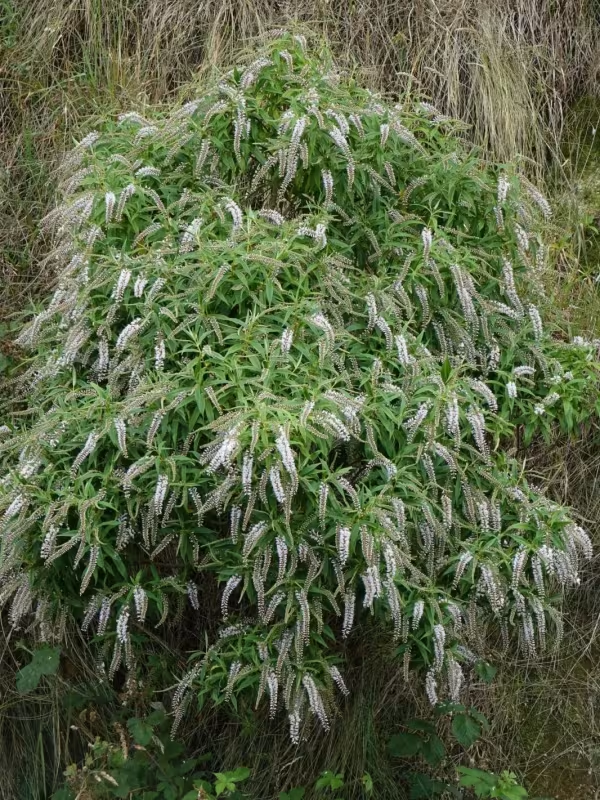
Koromiko (Veronica salicifolia) is an evergreen shrub belonging to the Plantaginaceae family. It is native to New Zealand and is widely recognized for its willow-like leaves and long, elegant racemes of white or pale lilac flowers.
The plant requires a temperate climate to thrive. It is not cold-hardy, meaning it is best suited for regions with mild winters, as extreme frost can cause significant tissue damage or death of the shrub.
Soil requirements for Veronica salicifolia focus on excellent drainage. It prefers fertile, loamy soils that can retain moisture without becoming waterlogged, which is a critical condition for its health.
In terms of light exposure, the culture prefers sunny locations but benefits from partial shade in areas with high summer temperatures. Consistent light is essential for maintaining the density and color intensity of the foliage.
Agricultural management involves regular pruning to keep the plant in shape and stimulate flower production. Watering must be consistent, especially during dry spells, but must avoid saturating the root zone to prevent physiological disorders.
Main diseases and pests
Downy mildew and various leaf spot diseases are common fungal threats to Koromiko. These pathogens typically emerge when humidity levels are high and air circulation around the shrub canopy is insufficient.
Root rot, induced by heavy or waterlogged soil, represents the most serious threat to the longevity of the plant. Once established, root rot often spreads quickly, leading to total wilting.
Aphids represent the most common insect pest. They congregate on new, tender shoots, causing stunted growth and potentially transmitting viral diseases across the plantation.
Scale insects can also infest the stems, requiring manual removal or systemic insecticides to manage the population before it significantly impacts the vigor of the plant.
Effective management includes integrated pest control strategies, such as maintaining proper planting distances to ensure airflow and applying protective fungicides at the first sign of symptoms.