
Vachellia vernicosa
Vachellia vernicosa
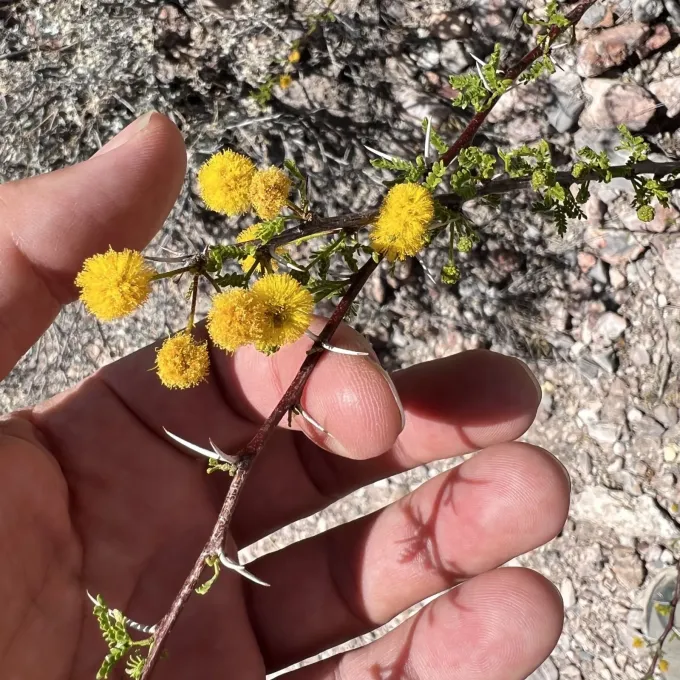
Description
Growing requirements
Vachellia vernicosa is a perennial shrub belonging to the Fabaceae family. Native to the arid landscapes of the southwestern United States and northern Mexico, it is highly adapted to harsh desert environments with minimal rainfall.
The plant thrives in rocky, well-draining soils where it develops a deep root system, ensuring its survival during prolonged droughts. It is recognized for its ability to maintain growth under extreme heat and intense sun exposure.
Botanically, it features distinct foliage and thorns, which serve as natural defenses and adaptations to reduce water loss through transpiration. This makes the species an excellent candidate for landscape restoration in regions experiencing desertification.
Cultivation of Vachellia vernicosa requires very little human intervention. Once established, it is self-sustaining and does not require fertilization or irrigation, making it a low-maintenance choice for land rehabilitation projects.
Economically and ecologically, this crop is valued for preventing soil erosion and providing structural support for desert ecosystems. It also plays a vital role in local biodiversity by providing shelter and food for various desert-adapted wildlife.
Main diseases and pests
Vachellia vernicosa possesses strong natural resistance to many common plant diseases due to its native habitat conditions. Its tough texture and chemical composition deter many herbivores and insects from causing significant damage.
Despite its robustness, the shrub can be susceptible to wood-boring insects during periods of extreme environmental stress or drought. Monitoring the overall health of the plant during such cycles is recommended to prevent localized infestations.
Overgrazing by domestic or wild livestock is a primary threat to younger plants. Preventing excessive pressure in areas where new shrubs are emerging is crucial for successful stand establishment and population density.
Competitive pressure from invasive weed species can also hinder the growth of Vachellia vernicosa in some regions. Periodic clearing of competing vegetation around young saplings can significantly improve their survival rate.
Pathogenic fungi are rarely a major concern unless the plant is grown in areas with poor drainage and high humidity. Maintaining proper site selection and soil aeration is the most effective strategy for ensuring long-term plant health.