
Vachellia arenaria
Vachellia arenaria
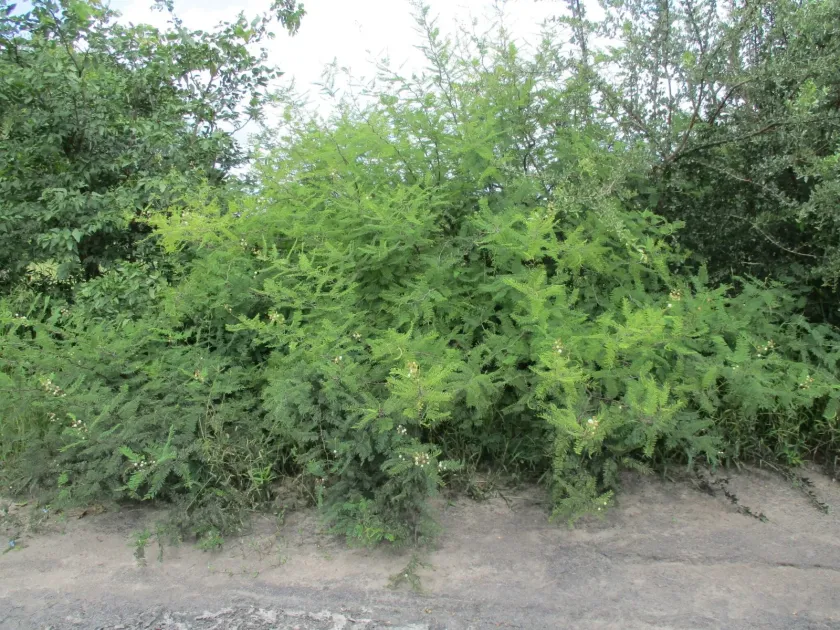
Description
Growing requirements
Vachellia arenaria is a woody shrub or small tree belonging to the Fabaceae family, native to the arid regions of Southern Africa. It has evolved to thrive in environments where water is scarce and soil nutrients are minimal, making it a focus for sustainable development in drylands.
The botanical structure of the plant features specialized thorns and foliage that minimize water loss through transpiration. Its extensive root system is specifically adapted to penetrate deep into sandy substrates, enabling it to access subsoil moisture during extended droughts.
Regarding soil requirements, Vachellia arenaria favors well-drained, sandy, or gravelly soils. It does not tolerate waterlogging, which can lead to root diseases. The species plays a critical role in nitrogen fixation, enriching the soil around it, which is beneficial for the broader ecosystem.
The climate requirements include high temperatures and intense sunlight. The plant is highly resilient to large diurnal temperature fluctuations, typical of arid regions. Protection from frost is essential during the initial stages of establishment if introduced into non-native environments.
In terms of хозяйственное использование, this species is primarily valued for land rehabilitation and soil erosion control. In pastoral farming, it serves as a browse species for livestock, providing high-protein fodder when other vegetation is unavailable. Its wood is also utilized for various small-scale rural construction purposes.