
Vachellia abyssinica
Vachellia abyssinica
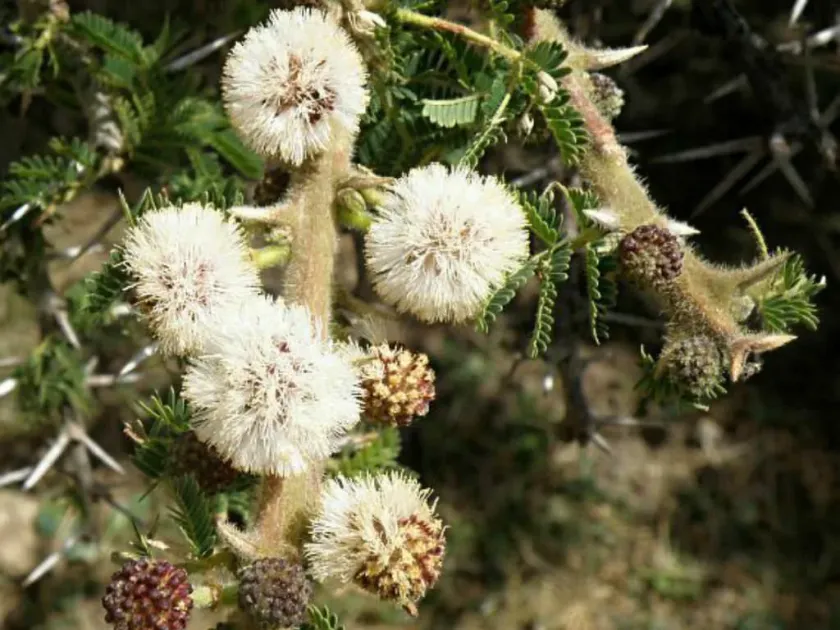
Description
Growing requirements
Vachellia abyssinica is a prominent tree species belonging to the Fabaceae family. Native to the highlands and savannas of East Africa, this species is highly regarded for its distinctive umbrella-shaped canopy and its resilience in challenging environments.
The tree thrives in well-drained soils, showing a preference for loamy and clayey compositions. It is widely recognized for its ability to grow at elevations ranging from 1,000 to 2,500 meters, adapting effectively to the cooler temperatures found in mountain regions.
A key agronomic benefit of this species is its capacity for biological nitrogen fixation. This process significantly improves soil fertility, making it an excellent candidate for intercropping systems where it provides natural fertilization for neighboring crops.
The climate requirements for Vachellia abyssinica focus on tolerance to drought and irregular rainfall patterns. It is an extremely hardy plant, capable of surviving long dry spells, which makes it ideal for arid and semi-arid agroforestry projects.
Economically, the tree is highly valued for its hardwood, which is durable and suitable for construction and furniture manufacturing. Additionally, its bark and fruit are used in traditional industries, including leather tanning due to its high tannin content.
Main diseases and pests
The primary threats to young Vachellia abyssinica saplings are domestic and wild herbivores that feed on the foliage, necessitating protective measures such as fencing or individual tree guards until the plant is established.
Regarding pests and diseases, the tree is susceptible to infestation by seed beetles, which can significantly reduce the viability of seed stocks. Furthermore, root rot caused by poor soil drainage remains the most dangerous phytosanitary risk for this crop.