
Vachellia albicorticata
Vachellia albicorticata
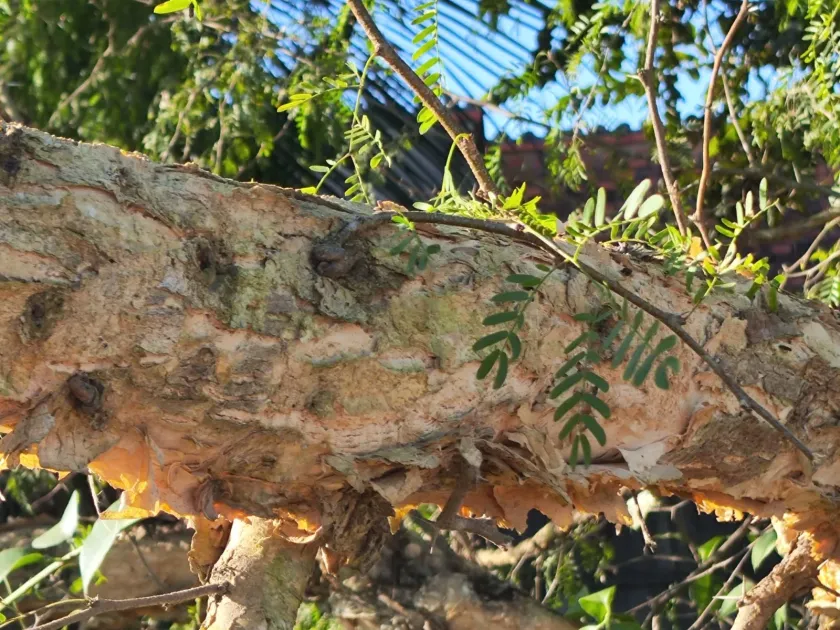
Description
Growing requirements
Vachellia albicorticata is a tree species within the Fabaceae family, native to arid regions where it thrives under harsh sunlight and limited precipitation.
The species is best known for its distinctive white-colored bark and finely divided, bipinnate foliage, which allows the plant to adapt to high-temperature environments.
To cultivate this species effectively, it is essential to provide well-draining soil, ideally of a sandy texture, as waterlogging is highly detrimental to the root health of this plant.
The plant has a deep-reaching root system that enables it to thrive in nutrient-poor environments, making it an excellent candidate for land reclamation projects.
Economic uses for this tree primarily involve the utilization of its durable timber for construction purposes and its role in combating desertification through reforestation.
Main diseases and pests
The most common biological threats include infestation by wood-boring beetles that can damage the structural integrity of the trunks in older trees.
Fungal pathogens causing root rot can spread rapidly in plantations if the drainage systems are not functioning optimally, especially during the rainy season.
Overgrazing by livestock is a significant threat to seedling survival, which necessitates the implementation of protective fencing to ensure future timber supplies.
Parasitic plants, particularly various species of mistletoe, often colonize the canopy, competing for nutrients and water during peak drought periods.
Management strategies focus on maintaining a healthy distance between trees to prevent the rapid spread of airborne diseases and ensuring appropriate moisture levels.