
Vachellia bidwillii
Vachellia bidwillii
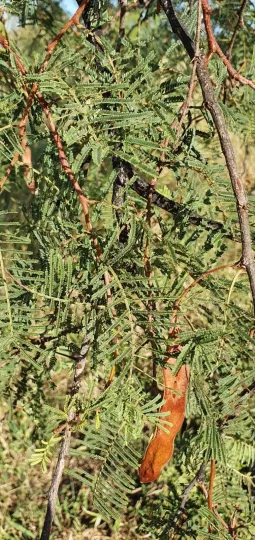
Description
Growing requirements
Vachellia bidwillii is a distinct tree species belonging to the Fabaceae family. Known commonly as the Corkwood Wattle, it was traditionally classified within the Acacia genus, reflecting its characteristic pinnate foliage and leguminous nature.
Native to Northern Australia, this species is highly adapted to tropical savanna climates. It thrives in regions characterized by long, dry seasons and significant monsoon activity, making it a robust survivor in harsh environments.
Soil requirements for Vachellia bidwillii are relatively modest. It performs best in well-draining sandy or loamy soils. Its ability to colonize nutrient-poor sites makes it an excellent candidate for land rehabilitation and soil stabilization programs.
The tree requires significant solar exposure to reach its full growth potential. It is sensitive to frost and cold stress, which restricts its cultivation to tropical and subtropical zones where temperatures remain consistently high throughout the year.
Agronomic management involves spacing plants adequately to accommodate their wide canopy. While seedlings require initial weeding and protection, the species becomes highly resilient once established, requiring minimal intervention in naturalized settings.
Harvesting
The agricultural value of Vachellia bidwillii lies primarily in its utility as a browse plant. During the dry season, when grasses are scarce, livestock such as cattle and sheep utilize the foliage and tender twigs as a nutritional supplement.
The wood of this species is notable for its durability. Local economies often utilize it for construction, tool handles, or as a reliable source of fuel for cooking and heating, given its slow-burning properties.
Harvesting of seed pods is performed manually upon maturity. The seeds are extracted, cleaned, and stored in dry conditions to maintain viability. Pre-treatment, such as scarification, is often required to break seed dormancy and ensure uniform germination.
Ongoing maintenance includes structural pruning, which serves to remove dead wood and encourage the development of new, palatable vegetative growth. This practice is essential for maintaining high productivity in forage-managed landscapes.
Protection from pests and localized diseases is usually minimal due to the plant's inherent defensive mechanisms. However, monitoring for seed-eating insects during the collection phase is recommended to ensure the quality of the planting material.