
Vachellia acuifera
Vachellia acuifera
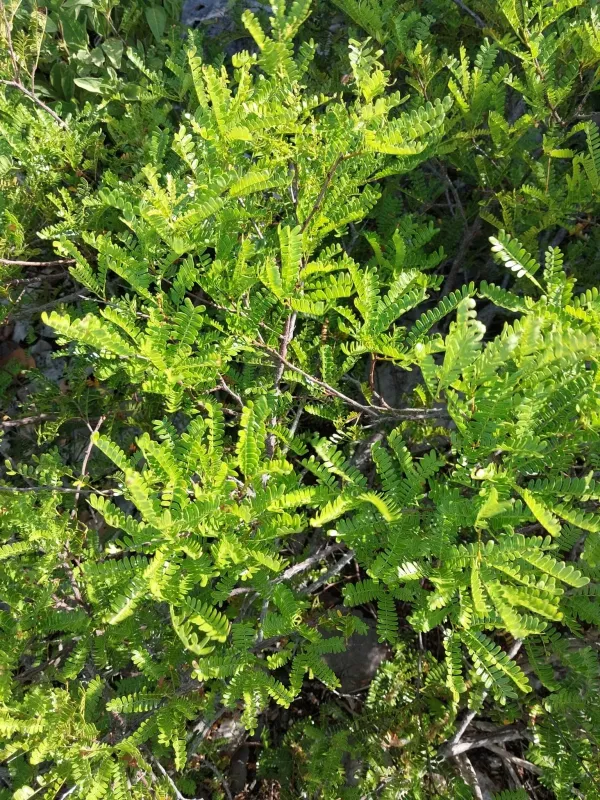
Description
Sowing dates
Vachellia acuifera, a member of the Fabaceae family, is typically propagated through seeds. Due to the hard seed coat characteristic of many acacia-related species, scarification is required to ensure successful and timely germination.
Sowing is best performed at the onset of the growing season or the beginning of the rainy period. Seeds should be planted at a depth of 1–2 cm, allowing for adequate moisture retention while ensuring the seedling can emerge without excessive energy expenditure.
When using a nursery approach, seeds are planted in individual containers. Seedlings are maintained under controlled conditions until they reach a height of 30–40 cm, which prepares them for successful establishment in the field.
Transplanting into the permanent site should be timed to avoid extreme heat or potential frost, ensuring that the root system has sufficient time to acclimate before experiencing environmental stress.
Planting density depends on the intended end-use of the trees. Wider spacing (2–3 meters between rows) is recommended for timber production, while denser configurations may be used for windbreaks or soil stabilization projects.
Growing requirements
This species is highly photophilous and requires full sun exposure to thrive. Insufficient light intensity leads to sparse canopy development and a significant reduction in biomass production rates.
Vachellia acuifera is specifically adapted to arid and semi-arid environments. It possesses remarkable drought tolerance, making it a valuable asset for land management in regions with limited water availability.
Soil requirements are relatively flexible, though the species performs best in well-drained sandy or loamy soils. Waterlogged environments should be avoided, as they promote root rot and hinder overall growth.
The optimal temperature range for active vegetative development is between +25°C and +35°C. The species is highly sensitive to cold, and frost events can cause terminal damage to young specimens.
Adaptability to different soil pH levels makes it a versatile candidate for rehabilitating degraded lands, including those with slightly acidic or slightly alkaline characteristics.
Yield
Economic utilization of Vachellia acuifera focuses on its wood, which is valued for its durability and strength. It is frequently used for fencing, construction posts, and the production of high-quality charcoal.
Beyond timber, the species contributes significantly to agro-ecosystems. As a legume, it performs nitrogen fixation, which naturally improves soil fertility and benefits surrounding vegetation.
The foliage serves as an emergency fodder source for livestock during the dry season. While not the primary forage choice, its protein-rich leaves provide necessary nutritional support when other pasture is unavailable.
Managed plantations can achieve consistent biomass yields if systematic pruning is applied. Regular trimming encourages the development of a denser canopy and more robust branch architecture.
Sustainable harvesting of wood products requires long-term rotation planning. Depending on the soil quality, a rotation period of several years is typically required to allow the trees to reach maturity.
Main diseases and pests
Wood-boring insects, particularly beetle larvae, represent the primary threat to plantation health. These pests can cause internal structural damage, significantly weakening the trunk and branches.
Defoliating insects, such as specific caterpillar species, may cause localized outbreaks that reduce the plant's photosynthetic capacity, thereby stunting growth during critical periods.
Fungal diseases, especially those associated with damp soil conditions, can cause root or collar rot. These issues are most common in areas with poor drainage and high humidity.
- Implementation of regular field monitoring for signs of borer activity.
- Sanitary pruning of dead or diseased branches to prevent spreading.
- Utilization of biological control methods where applicable.
- Strict moisture control to prevent water stagnation in the root zone.
In cases of severe infestation or fungal attack, immediate isolation or removal of affected trees is necessary to protect the remaining plantation from further decline.