
Vachellia robusta
Vachellia robusta
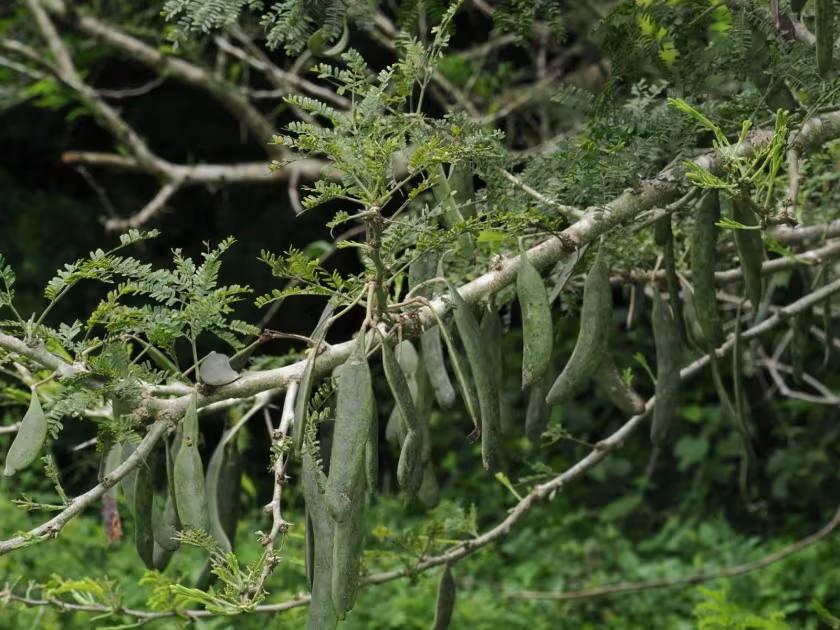
Description
Growing requirements
Vachellia robusta, a member of the Fabaceae family, is a deciduous tree native to the savanna regions of Southern and Eastern Africa. It is known for its robust growth habit and ability to adapt to varying landscapes, ranging from rocky outcrops to alluvial soils.
The species thrives in sunny, well-lit environments and requires well-drained soil to prevent root issues. It is highly drought-tolerant, making it an excellent candidate for restoration projects in arid environments where water scarcity is a limiting factor for other crops.
Botanically, it features a distinct canopy structure with sharp thorns that serve as a defense mechanism against browsers. Its nitrogen-fixing properties are highly beneficial for the soil, promoting ecological health in the regions where it is cultivated.
In agricultural systems, Vachellia robusta is frequently employed in windbreaks and agroforestry setups. Its ability to enrich the soil with atmospheric nitrogen makes it a valuable companion species for promoting biodiversity in degraded lands.
The tree also provides substantial biomass and high-quality timber, which is durable and resistant to pests, making it suitable for rural construction and utility purposes. It is a vital component of the local ecosystem, providing shade and forage.
Main diseases and pests
Seed-boring beetles represent the most significant threat to the reproductive cycle of Vachellia robusta. These pests can infest a high percentage of pods, severely limiting the success of natural regeneration and seed collection efforts.
Fungal pathogens targeting the vascular system are common in areas with poor drainage or high humidity. These infections often manifest as bark lesions and can weaken the tree structure over time, eventually leading to mortality.
Herbivory by large mammals, such as elephants and livestock, poses a constant threat to juvenile trees. Without effective management of grazing intensity, natural recovery of the population can be significantly hindered.
Environmental stress caused by severe drought or frost can predispose the trees to secondary infestations of wood-boring insects. These insects exploit the weakened defenses of the host, accelerating tree decay.
Integrated pest management strategies in nurseries involve manual inspection and the careful application of targeted treatments to ensure that young saplings remain free from systemic disease and pest damage.