
Vachellia rehmanniana
Vachellia rehmanniana
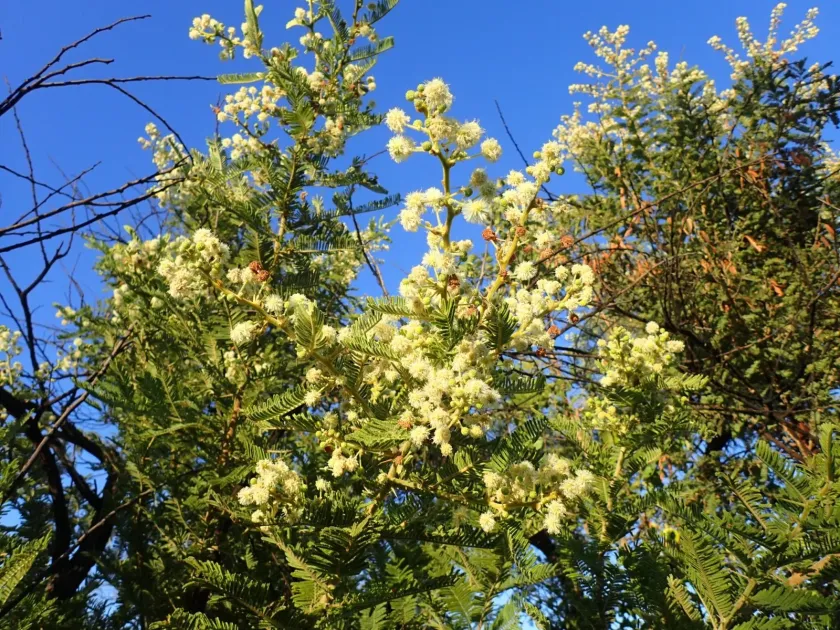
Description
Sowing dates
Vachellia rehmanniana is a perennial woody species, so conventional sowing methods are not applicable in a standard agronomic sense. Propagation is primarily achieved through seed sowing in specialized nurseries or natural regeneration within its native habitat.
Effective germination requires pre-sowing scarification because the seeds possess a hard coat that hinders water absorption. The optimal time for sowing in nursery conditions is early spring, which ensures the plants develop enough strength before the onset of the hot summer season.
Seeds should be sown in well-drained substrate at a depth of 1-2 centimeters. Maintaining a stable temperature between 22-25 degrees Celsius is crucial, as the species is highly sensitive to extreme temperature fluctuations and excessive moisture.
Seedlings typically emerge unevenly over a two-to-three-week period. Once two or three true leaves develop, seedlings must be transplanted into larger containers to allow for the development of a robust taproot system.
When transplanting to a permanent location, seedlings should be hardy enough by the end of the first year of growth. Planting is ideally done after the danger of frost has passed, ensuring protection from intense direct sunlight during the first few weeks.
Growing requirements
Vachellia rehmanniana is a representative of the Fabaceae family, well-adapted to the savanna and woodland conditions of Southern Africa. It is a drought-tolerant crop that thrives in areas with full, direct solar exposure.
The plant is undemanding regarding soil composition, successfully growing in sandy, loamy, and even rocky soils with neutral to slightly alkaline pH levels. The most critical requirement is avoiding stagnant water around the root zone.
While the tree prefers a moderate climate, it can withstand brief periods of cooler temperatures. However, prolonged frost events can damage young shoots and significantly reduce the overall productivity and health of the tree.
In agroforestry systems, this species is highly valued for its nitrogen-fixing capabilities. Through symbiosis with specific rhizobia bacteria, the tree helps restore soil fertility in degraded lands across arid regions.
When planning plantations, it is essential to consider the natural crown shape of the tree. Proper spacing is necessary to ensure adequate ventilation between individuals, which effectively prevents the spread of fungal diseases associated with high humidity.
Yield
The primary economic value of this crop is not the fruit, but rather its biomass and high-quality timber. Vachellia rehmanniana is widely used as a source of high-quality charcoal and fuel, boasting excellent heat output.
The foliage and tender shoots serve as a vital forage resource for livestock, particularly during seasonal droughts when other vegetation dries up. This makes the tree a key component of pastoral farming in many African regions.
Beyond direct utility, the trees serve as effective windbreaks, reducing soil erosion on agricultural land. Leaf litter acts as an efficient mulch, improving soil moisture retention and enriching it with essential organic matter.
The timber yield depends on planting density and precipitation levels. The production cycle to reach harvestable timber typically spans 15 to 20 years, provided that proper tree management and crown pruning are implemented.
Economic efficiency is enhanced when integrating this species with other crops grown in the inter-rows, allowing for the simultaneous production of livestock fodder and wood products on the same parcel of land.
Main diseases and pests
Despite its high environmental resilience, Vachellia rehmanniana can be susceptible to pests typical of the acacia group. The most significant threat comes from weevil larvae, which damage the seeds and fruits.
Common diseases include leaf rust and powdery mildew, which occur primarily when cultivation techniques are neglected. Excessive plantation density promotes pathogen spread, making timely thinning and sanitary pruning mandatory practices.
In regions of introduction, invasive insects can pose a threat by damaging the bark and disrupting sap flow. Regular inspection of the trunk for pest entry holes is a critical step in effective plant protection.
Root rot occurs primarily in areas with poor drainage. Prevention focuses on selecting appropriate planting sites and avoiding excessive soil moisture accumulation near the root collar.
- Prevention: Regular sanitary pruning of infected branches.
- Pest control: Usage of biological agents during peak insect activity.
- Monitoring: Checking leaves for discoloration or signs of fungal spots.