
Vachellia planifrons
Vachellia planifrons
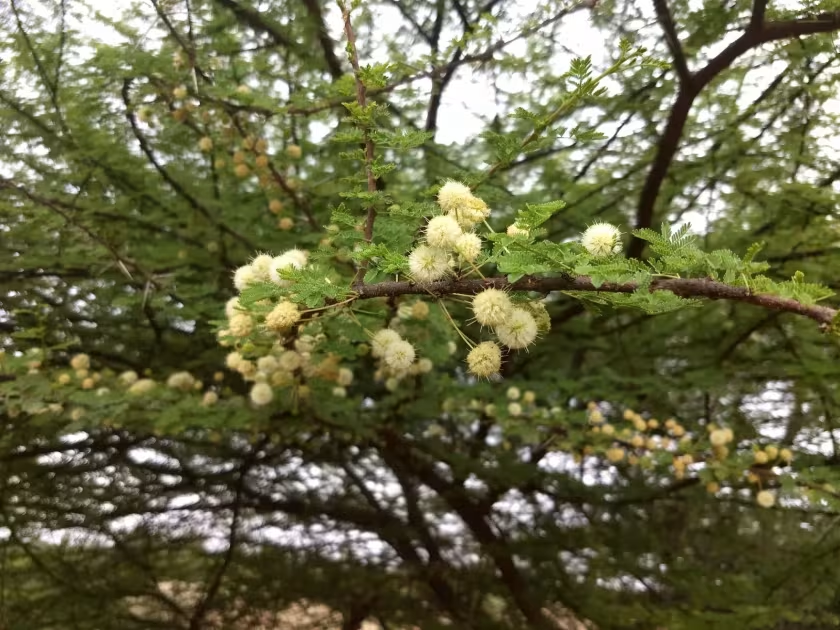
Description
Growing requirements
Vachellia planifrons, a member of the Fabaceae family, is a small, thorny tree renowned for its distinct umbrella-shaped crown. It is a highly resilient species perfectly adapted to the harsh environmental conditions of arid tropical zones.
Originating from India and Sri Lanka, this species thrives in savanna and scrubland ecosystems. Its ability to withstand extreme temperatures and prolonged water scarcity makes it a cornerstone of agricultural biodiversity in these regions.
The tree prefers well-drained, sandy, or rocky soils. It is notably tolerant of saline soil conditions, which allows it to be grown in degraded areas where other agricultural crops would fail to survive or maintain productivity.
Vachellia planifrons is an obligate heliophyte, requiring intense direct sunlight for healthy growth. In shaded or semi-shaded environments, the plant exhibits stunted growth and loses the structural integrity of its characteristic umbrella canopy.
As a nitrogen-fixing legume, the tree plays a crucial role in soil enrichment. Through its symbiotic relationship with rhizobia bacteria, it contributes to the restoration of soil nitrogen levels, improving the overall fertility of its growing site.
Yield
The primary economic value of Vachellia planifrons is its high-density timber, which is exceptionally durable and long-burning. It remains a preferred material for traditional construction, tool-making, and the production of high-quality charcoal.
Agriculture relies on this species as a vital fodder reserve during the dry season. Both the protein-rich leaves and the pods are actively consumed by livestock, particularly sheep and goats, bridging the gap when other forage is unavailable.
The bark of the tree is a significant source of tannins used in leather processing. This traditional application remains economically relevant, supporting local rural industries that depend on natural sources of tanning agents.
In agroforestry systems, the species serves as a living barrier against soil erosion. Its deep root system stabilizes the soil profile, while its formidable thorns act as a natural fencing, protecting cultivated garden plots from browsing animals.
Biomass production is consistent even under low-rainfall conditions. While growth rates are relatively slow compared to humid-zone trees, the reliable provision of fodder and fuel makes it a stable long-term agricultural asset.
Main diseases and pests
Common pests include various beetle larvae that can infest the timber and seeds. Regular inspection and the selection of healthy mother trees for seed collection are essential strategies for maintaining plantation health and vigor.
Fungal diseases primarily occur under conditions of poor drainage or high ambient humidity. Ensuring that trees are not waterlogged is the best preventive measure against root rot and foliage spotting pathogens.
Seedlings and young trees are extremely vulnerable to grazing pressure. Protective barriers are necessary until the plant reaches a sufficient height and develops a more dense and intimidating network of thorns to discourage large herbivores.
Over-harvesting of timber and uncontrolled grazing can jeopardize local populations. Sustainable harvesting practices and seasonal resting periods for managed groves are required to ensure the longevity of this natural resource.
Climate variability, including unexpected periods of excessive moisture, may increase susceptibility to fungal pathogens. Strategic spacing between trees helps improve air circulation and reduces the risk of disease transmission within the population.