
Vachellia leucophloea
Vachellia leucophloea
Description
Growing requirements
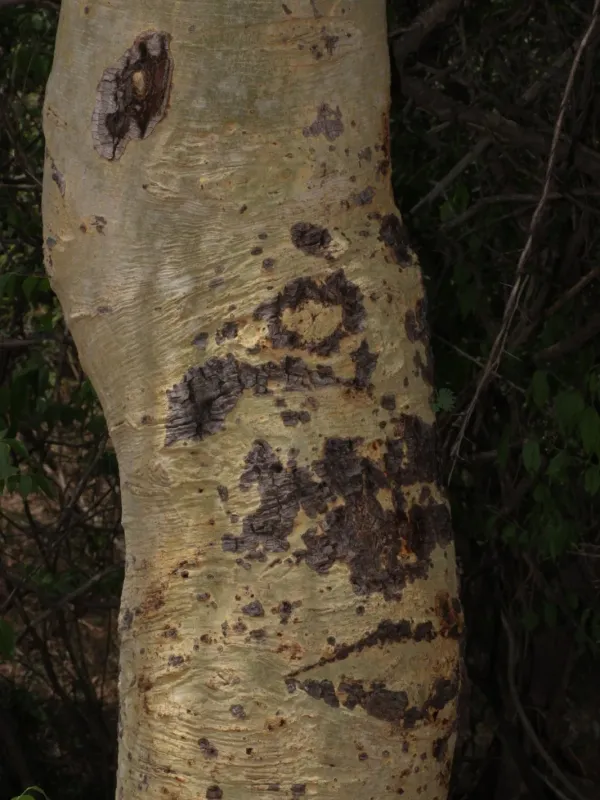
Vachellia leucophloea, commonly known as the white-bark acacia, is a significant member of the Fabaceae family. It is a medium-sized deciduous tree known for its distinct pale, smooth bark and umbrella-shaped canopy, which provides shade in hot environments.
The tree is native to tropical and subtropical Asia, predominantly found in regions with semi-arid climates. It is highly valued for its ability to thrive in harsh, dry landscapes where other vegetation struggles to survive.
This species is highly adaptable to various soil types, preferring well-drained, sandy, or loamy soils. It displays remarkable drought tolerance, which is one of its primary characteristics that makes it useful for reforestation projects in arid areas.
Cultivation requires full sunlight exposure to ensure healthy structural growth. While it is hardy once established, young saplings need protection from extreme cold and careful irrigation until the root system has deepened sufficiently.
The tree serves multiple economic purposes, including the production of high-quality timber for agricultural tools, the extraction of tannins for leather processing, and the utilization of leaves and pods as a sustainable livestock feed.
Main diseases and pests
One of the primary biological threats involves defoliating insects that can rapidly reduce the leaf surface area of young trees. Regular monitoring is essential to prevent large-scale damage during the peak growing season.
Fungal pathogens causing root rot are a significant risk, particularly in areas where water logging occurs. Implementing effective drainage systems in the plantation area is the most effective management strategy for this issue.
Seed-boring beetles (Bruchidae) represent a major challenge for seed storage and viability. Post-harvest treatment and clean storage conditions are necessary to maintain seed quality for future planting cycles.
Physical damage to the bark by wood-boring insects can create entry points for secondary infections. Maintaining tree vigor through proper nutritional management helps the tree naturally withstand such infestations.
Integrated pest management, including the encouragement of natural predators, is recommended to keep pest populations at a manageable level without disrupting the local ecological balance.