
Vachellia kirkii
Vachellia kirkii
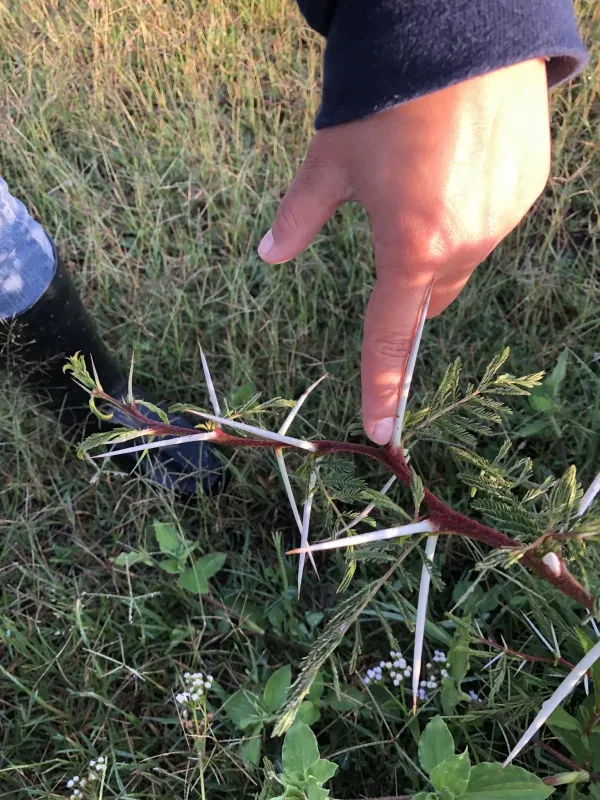
Description
Growing requirements
Vachellia kirkii is a prominent tree species belonging to the Fabaceae family, specifically the Mimosoideae subfamily. While historically classified within the Acacia genus, it is now formally recognized under the Vachellia genus.
Native to the savanna landscapes of East Africa, this species is well-adapted to tropical climates found in countries like Kenya and Tanzania. It thrives in regions where seasonal rainfall patterns dictate the growth cycles of local vegetation.
This tree is distinctive for its ability to tolerate seasonally flooded conditions, making it more versatile than many other savanna tree species. It performs best in well-drained soils but demonstrates exceptional resilience against waterlogged environments.
Botanically, it features a large, umbrella-shaped canopy and pinnate leaves. The bark is often reddish-brown, and the branches are protected by sharp thorns, a defense mechanism against the heavy browsing pressure common in its native habitat.
In agricultural practice, Vachellia kirkii is valued for its contribution to agroforestry systems. It provides essential shade, high-quality fodder for livestock, and timber, while also improving soil nitrogen levels through its symbiotic relationships with soil bacteria.
Main diseases and pests
Livestock browsing is the primary threat to young specimens, as animals frequently consume the nutrient-rich new shoots, which can significantly stunt the tree's vertical development.
Seed predation by bruchid beetles is a significant limiting factor for natural regeneration. These insects infest the pods and destroy the embryos of the seeds before they can germinate.
Fungal pathogens can colonize the wood through fissures or wounds in the bark, potentially leading to stem rot and structural instability of the mature tree.
Mistletoe infestation remains a persistent problem, as these parasitic plants deprive the tree of water and vital nutrients, eventually weakening the entire canopy.
The increasing demand for charcoal and fuel wood in rural areas poses a critical threat to the long-term sustainability of Vachellia kirkii populations in the wild.