
Vachellia hockii
Vachellia hockii
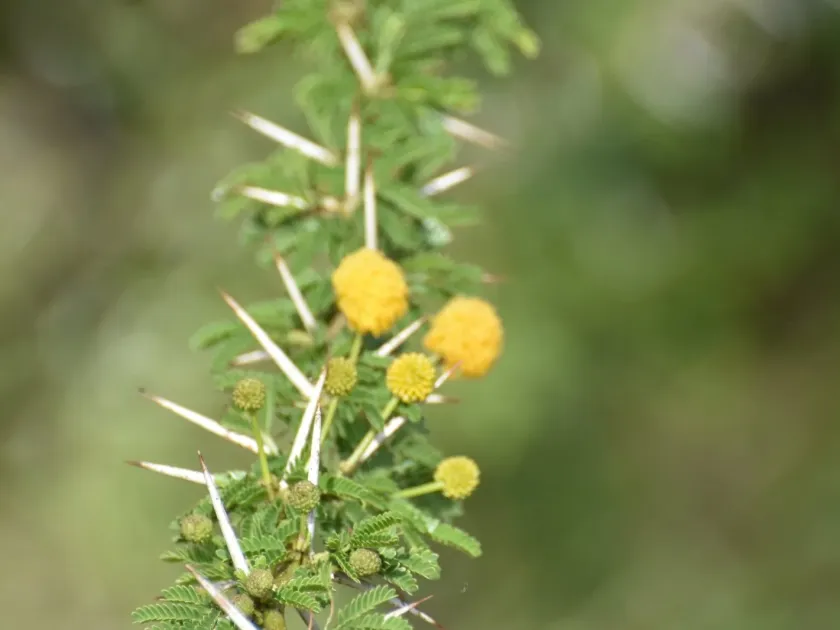
Description
Growing requirements
Vachellia hockii, a member of the Fabaceae family, is a drought-tolerant tree species native to the African savanna. It serves as a critical biological component in arid and semi-arid environments.
The plant thrives in regions with distinct dry seasons, demonstrating exceptional adaptability to harsh sunlight and limited water supply. It typically grows at altitudes between 600 and 2000 meters above sea level.
For successful growth, it requires well-drained soils, ranging from sandy loams to rocky substrates. The species is highly sensitive to waterlogging, which can cause significant stress to its root system.
The botanical structure includes sharp thorns and fine, pinnate leaves, which minimize transpiration. These features make it an ideal candidate for dryland forestry projects aiming to prevent soil erosion.
Economic uses include the production of high-density charcoal and fodder for livestock during drought seasons. Additionally, it is recognized for its role in apiculture due to its nectar-producing flowers.
Main diseases and pests
Pest pressure is a significant challenge, with seed-boring weevils posing the greatest threat to reproduction. These insects can devastate seed harvests if not properly stored or treated.
Larval stages of bruchid beetles feed inside the pods, significantly reducing the viability of seeds for nursery propagation. This necessitates strict post-harvest management and inspection.
Fungal diseases primarily affect the bark, especially when plants are subjected to mechanical damage or poor ventilation. Such infections lead to necrosis and limb dieback over time.
Browsing pressure from both wild game and domestic livestock is a major deterrent to natural regeneration. Protective measures, such as fencing, are often required during the early growth stages.
Effective management strategies focus on monitoring plant health and ensuring that young trees are protected from overgrazing. Integrated pest management, focusing on biological controls, is preferred over chemical interventions.