
Vachellia hindsii
Vachellia hindsii
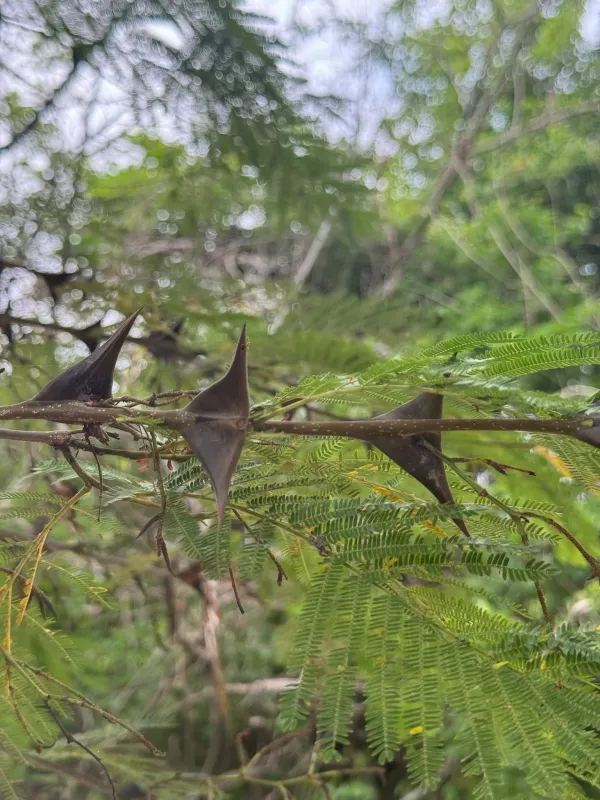
Description
Growing requirements
Vachellia hindsii is a distinctive woody perennial belonging to the Fabaceae family, native to the tropical landscapes of Mexico and Central America. Historically classified within the Acacia genus, it is widely recognized for its unique evolutionary strategy involving hollow thorns.
The plant thrives in warm climates and requires high levels of solar exposure throughout its growth cycle. It is highly sensitive to frost, which limits its outdoor cultivation to tropical and subtropical zones where temperatures remain consistently mild.
Botanically, the species is known for its symbiosis with Pseudomyrmex ants, which reside in the swollen thorn structures. These ants provide the plant with protection against herbivores and encroaching vegetation, highlighting the species' ecological importance.
In terms of soil requirements, Vachellia hindsii prefers well-drained, porous substrates. It is exceptionally well-adapted to arid environments and can withstand prolonged periods of drought, making it a resilient choice for ecological restoration projects.
Agricultural use of the species is primarily centered on its nitrogen-fixing capabilities, which aid in soil enrichment. It is also valued as a protective hedge plant in regions where its aggressive thorns can serve as a natural physical barrier.
Main diseases and pests
The most significant threat to Vachellia hindsii is root rot caused by stagnant water or waterlogged soil conditions. Ensuring adequate soil aeration and efficient drainage systems is crucial for maintaining the long-term health of the plant.
While the ant symbionts effectively deter most pests, the plant remains susceptible to certain fungal pathogens such as powdery mildew or leaf spot, especially in environments with poor air circulation or consistently high humidity.
Mealybugs and aphids can occasionally become a problem in nursery settings or in the absence of the natural ant colonies. Integrated pest management, focusing on biological controls, is highly recommended to protect the delicate balance of the plant.
Physical damage to the stems or thorns can facilitate the entry of opportunistic bacteria, potentially leading to localized necrosis. Maintenance activities should be performed with care to prevent unnecessary wounds to the woody parts of the tree.
Invasive management is an essential aspect of its cultivation. Since the species is highly adapted to tropical climates, it can quickly establish itself in local ecosystems, necessitating careful control to prevent it from becoming an unwanted woody weed.