
Vachellia gummifera
Vachellia gummifera
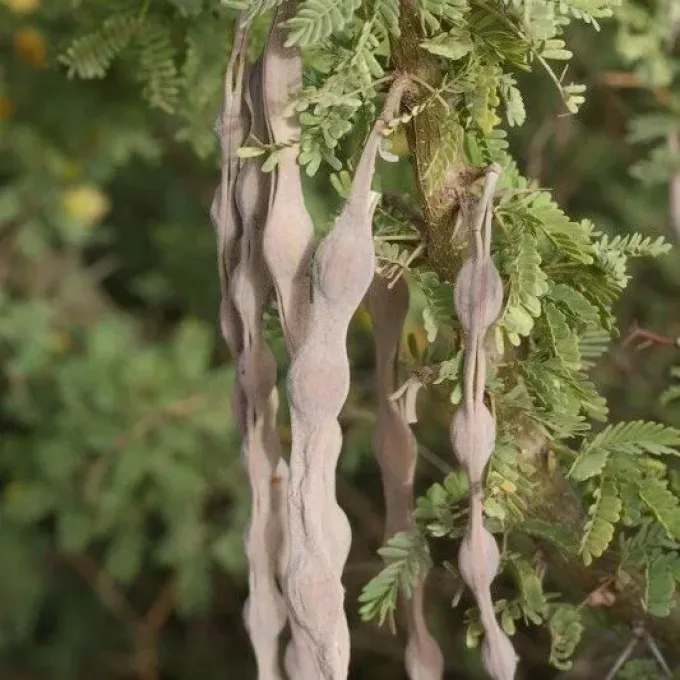
Description
Growing requirements
Vachellia gummifera is a distinctive tree species belonging to the Fabaceae family. Formerly classified under the Acacia genus, it is native to arid and semi-arid regions of North Africa, primarily found in Morocco.
The plant is exceptionally well-adapted to harsh desert environments. It thrives in high temperatures and can endure prolonged droughts, making it a critical species for desertification control and landscape restoration.
Soil requirements for Vachellia gummifera are relatively undemanding. It prefers well-drained, sandy, or rocky substrates and displays a remarkable tolerance for saline soil conditions where many other crops would fail.
Regarding agrotechnology, the species requires full sun exposure for healthy growth. Young saplings need protection from herbivory by local livestock, as they are a preferred food source for camels and goats.
Botanically, it features pinnate leaves and protective thorns that serve as an evolutionary response to environmental pressures. It plays a significant ecological role by providing shelter and improving soil quality in nutrient-poor areas.
Yield
The primary economic output of Vachellia gummifera is its gum, commercially known as gum arabic. This substance is exuded from the tree's bark when it is stressed or wounded, serving as a protective mechanism.
Harvesting techniques involve carefully tapping the trunk to encourage the release of the sap. Once the exudate crystallizes on the bark surface, it is harvested manually. Proper timing is crucial to maximize yield without harming the tree's health.
Gum arabic is a highly valuable ingredient in the food industry, functioning as a stabilizer, emulsifier, and thickening agent. It is also widely used in the pharmaceutical and cosmetic industries for its unique chemical properties.
Besides gum, the wood of the tree is occasionally used for fuel, providing charcoal that burns with high heat. This multi-purpose utility makes it a vital resource for communities living in arid environments.
Sustainable yield management is a priority for commercial plantations. Experts recommend alternating harvesting cycles to ensure the longevity of the trees and consistent quality of the harvested gum.
Main diseases and pests
The species faces various threats, including infestation by wood-boring insects and seed predators. These pests can significantly impact the survival rate of seedlings and the long-term health of mature specimens.
Fungal diseases related to moisture excess or poor soil drainage can weaken the root system. Effective management includes selecting sites with excellent airflow and avoiding waterlogging at all costs.
Grazing pressure from local livestock remains a major threat to agricultural development. Fencing and active management are essential to protect young plants during their vulnerable development phase.
Climate change and unpredictable weather patterns, such as extreme winter frosts, may affect blooming cycles and the tree's overall vigor. Monitoring for signs of dieback is essential for plantation health.
Integrated pest management, including natural predators and selective pruning, is preferred over chemical interventions to maintain the organic status and quality of the produced plant gum.