
Vachellia grandicornuta
Vachellia grandicornuta
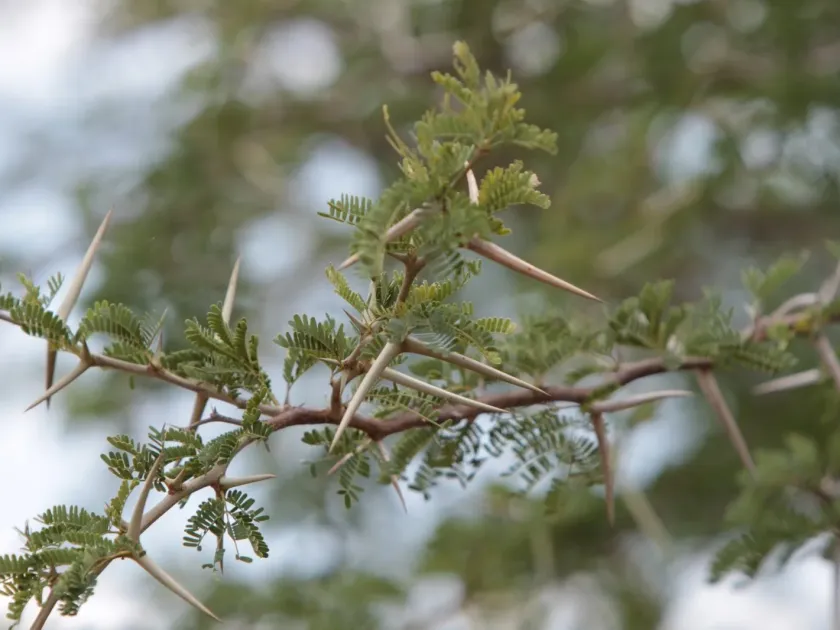
Description
Growing requirements
Vachellia grandicornuta is a member of the Fabaceae family, native to the savanna regions of Southern Africa. It typically grows as a small-to-medium-sized tree, recognized by its distinctive features.
This species thrives in well-drained sandy or rocky soils. It is remarkably capable of adapting to nutrient-poor substrates, which makes it a suitable candidate for reforestation in arid landscapes.
The plant exhibits high drought tolerance and heat resistance. It is biologically optimized to survive in semi-arid zones, effectively managing moisture through a robust and deep root system.
Full sun exposure is a strict requirement for this culture. It does not tolerate shade, as restricted light conditions lead to poor physiological development and reduced vigor.
As a nitrogen-fixing legume, Vachellia grandicornuta actively enhances soil fertility. This biological trait is highly valued in sustainable farming systems to promote natural soil enrichment.
Yield
The primary agricultural use of this tree is as a high-protein fodder source for livestock. Leaves and pods are consumed by cattle and goats, especially when grass availability is low.
The wood produced by the tree is dense and durable, commonly utilized for constructing fencing posts, agricultural infrastructure, and traditional farm tools.
Beyond forage, the plant serves as a vital component in agroforestry, providing shade for livestock and acting as a windbreak to prevent wind erosion on exposed pastures.
The yield of biomass can be significant in favorable conditions, though it remains relatively steady even during years of low rainfall due to the plant's evolutionary adaptations.
Utilization strategies focus on managed browsing or pruning, ensuring that the plant regenerates effectively after harvesting without suffering long-term physiological stress.
Main diseases and pests
Common pests include various defoliating insects that can rapidly colonize young trees, potentially compromising the early stages of growth if not monitored carefully.
Fungal infections in the root zone occur primarily in waterlogged conditions. Ensuring proper soil aeration and drainage is the most effective preventative measure.
Parasitic plant species, such as mistletoe, often attach to the branches of mature trees, reducing their growth rate and overall vitality if not pruned regularly.
Overgrazing by wildlife or livestock can strip the bark, leaving the tree susceptible to secondary bacterial and viral infections through open wounds.
Management involves a combination of periodic health assessments, removal of parasitic infestations, and fencing off younger trees to prevent excessive browsing until they are established.