
Gerrard's wattle
Vachellia gerrardii
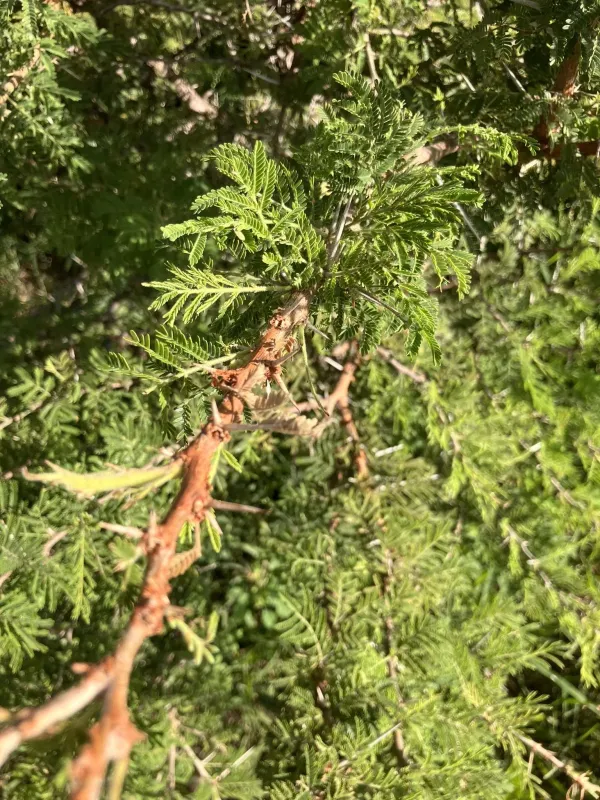
Description
Sowing dates
Sowing Gerrard's wattle seeds requires careful preparation, as the hard seed coat acts as a dormancy mechanism in the natural environment.
Pre-treatment with hot water soaking or mechanical scarification is essential to ensure uniform and rapid germination rates in cultivation.
Seeds should be sown in well-drained nursery containers using a sterile potting mix to prevent early-stage soil-borne diseases.
Field transplantation is best performed at the onset of the rainy season to provide the seedlings with enough moisture to establish their root systems.
Spacing should be calculated based on the species' tendency to develop a spreading crown, ensuring that mature trees have sufficient space to grow.
Growing requirements
Belonging to the Fabaceae family, Vachellia gerrardii is a highly resilient species adapted to arid and semi-arid African environments.
The plant thrives in a variety of soil types, preferring well-drained sandy or loam soils while showing tolerance to periodic moisture fluctuations.
As a light-demanding species, it requires full sun exposure to maintain vigorous growth and the natural architecture of its canopy.
The tree is sensitive to frost and extreme cold, requiring a warm climate to complete its growth cycles and ensure survival during winter.
Cultivation practices should emphasize proper moisture management, especially during the early stages of establishment after transplanting.
Yield
Gerrard's wattle is primarily valued for its durable and dense timber, which is utilized for various construction and carpentry purposes locally.
In agroforestry systems, the tree serves as an excellent stabilizer, protecting soil from erosion and improving nutrient content through nitrogen fixation.
It acts as a crucial fodder resource for livestock, particularly in arid regions where other forage options become limited during dry months.
Controlled harvesting of foliage and young branches allows for sustainable fodder production without compromising the tree's health or longevity.
The tree also provides ecological benefits, supporting local biodiversity and contributing to the overall productivity of the agro-ecosystem.
Main diseases and pests
Boring insects represent the most significant threat to the tree, as they tunnel into the trunk and weaken the structure of the timber.
Fungal pathogens often invade trees that have been damaged by mechanical factors or unfavorable weather, leading to wood decay and crown dieback.
Young trees are highly susceptible to damage from browsing animals, which can severely stunt growth and cause mortality in nursery settings.
Effective management strategies involve clear-cut sanitation and the removal of severely infected branches to contain the spread of diseases.
Integrated pest management, including natural predators and selective pruning, is recommended to maintain the long-term health of the plantation.