
Vachellia exuvialis
Vachellia exuvialis
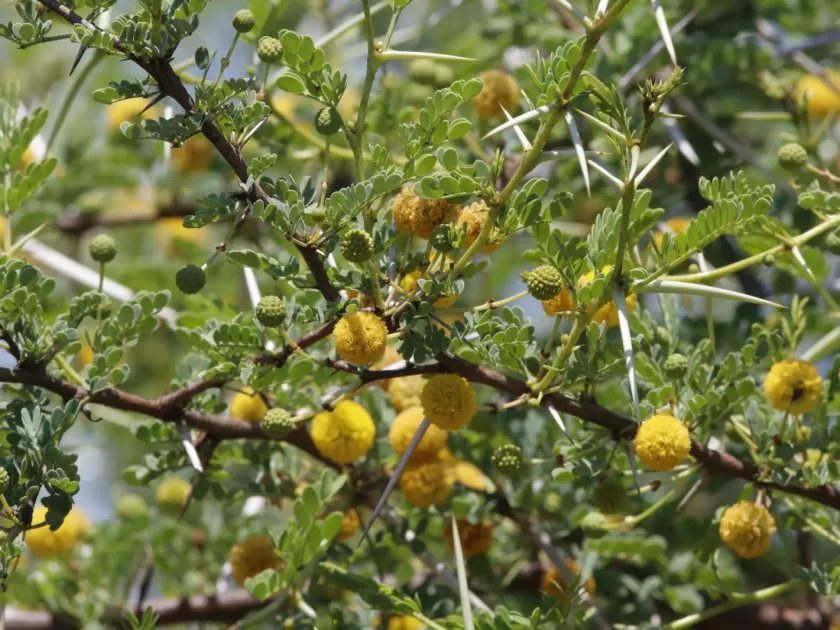
Description
Growing requirements
Vachellia exuvialis belongs to the Fabaceae family and is native to the savanna regions of South Africa. It is a distinctive shrub that has evolved to thrive in hot, arid environments, exhibiting extreme resilience to water scarcity and high solar radiation.
The species prefers well-drained, sandy soils that prevent waterlogging. Its root system is exceptionally deep, allowing the plant to tap into deep-seated groundwater reserves during the peak of the dry season, which is essential for its long-term survival.
Botanically, the plant is easily recognized by its unique peeling bark, which sheds regularly to reveal a smooth, lighter-colored layer underneath. The bipinnate foliage is designed to minimize transpiration, and the plant often produces fragrant inflorescences in season.
Climate requirements include high average temperatures and a long frost-free growing season. Exposure to intense sunlight is necessary for optimal photosynthesis, while high humidity levels are generally avoided by the plant in its natural habitat.
Economically, Vachellia exuvialis is valued for its hard, durable wood and its ability to stabilize soil in challenging environments. It is increasingly popular in xeriscaping and botanical collections that focus on drought-tolerant species from the African continent.
Main diseases and pests
Common pests affecting this species include wood-boring beetles that target the stems, potentially weakening the plant's structure. Regular monitoring for exit holes or frass is essential for early detection and management of infestations.
Root rot pathogens represent the most significant threat to the health of the plant, especially when it is grown in environments with poor drainage. Maintaining a dry root zone during dormant or cool periods is crucial for preventing these infections.
Fungal leaf spot diseases may occur if the foliage remains wet for extended periods. To mitigate this risk, it is important to ensure adequate air circulation around the canopy and to avoid overhead irrigation during the evening.
In nursery settings, seedlings are often vulnerable to rodent damage and mechanical injury. Using protective sleeves during the first few years of growth helps the plant establish a sturdy, lignified trunk that is less susceptible to environmental stressors.
Cultural prevention remains the best defense against threats. By mimicking the natural environment through proper soil selection and limiting water input to match the plant's actual needs, growers can significantly reduce the incidence of disease.