
Vachellia etbaica
Vachellia etbaica
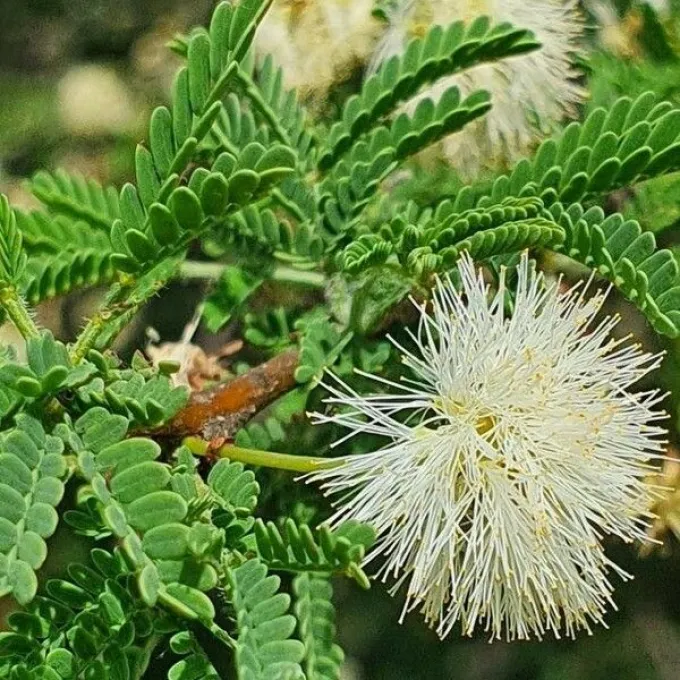
Description
Growing requirements
Vachellia etbaica, a member of the Fabaceae family, is a drought-tolerant tree species native to the arid and semi-arid regions of East Africa, including Ethiopia and Sudan. It is highly adapted to harsh environmental conditions.
The plant thrives in rocky, gravelly, or sandy soils where water retention is low. Its deep root system allows it to reach underground moisture sources, making it a pioneer species for desert reclamation projects.
Climate requirements for this species include high solar radiation and extreme heat tolerance. It is unsuitable for humid or cold environments, as it requires intense sun for healthy development during the juvenile phase.
For cultivation, site preparation should involve minimal soil disturbance to preserve the existing structure. It is well-suited for reforestation programs aimed at controlling soil erosion and desertification.
The biological ability to fix atmospheric nitrogen via symbiotic bacteria enhances soil fertility, allowing Vachellia etbaica to act as a nursery tree for other, less hardy species in agroforestry systems.
Yield
The wood of Vachellia etbaica is renowned for its high density and durability, serving as a primary source for construction material and long-burning, high-quality charcoal in local rural economies.
Leaves and pods serve as a vital fodder resource for livestock, particularly during the dry season when ground vegetation is unavailable. This nutrient contribution supports nomadic and sedentary pastoralism.
The bark contains tannins that are traditionally extracted for leather tanning processes, supporting local craft industries and providing additional economic value to the tree.
Resin exuded by the stems is harvested for traditional medicinal use and local adhesives, representing a non-timber forest product that provides consistent utility to the community.
The species provides essential shade for livestock, reducing heat stress in animals and maintaining microclimates that protect soil moisture in open savannah landscapes.
Main diseases and pests
Young plants are highly susceptible to damage from overgrazing, which is a major constraint in maintaining sustainable populations of the species in natural pastures.
Seed predation by insects is a significant biological threat that often limits natural regeneration. Proper seed storage and treatment are required to ensure successful nursery production.
Parasitic plants, such as various species of mistletoe, frequently infest mature trees, drawing away vital nutrients and potentially killing the host if infestations are heavy.
Fungal root diseases can occur in areas with poor drainage, which is often caused by heavy rains on compacted clay soils. Proper selection of planting sites with good aeration is essential.
Integrated management includes rotational grazing schedules and selective pruning to remove parasite-infested branches, ensuring the long-term health of the plantation or forest stand.