
Vachellia eburnea
Vachellia eburnea
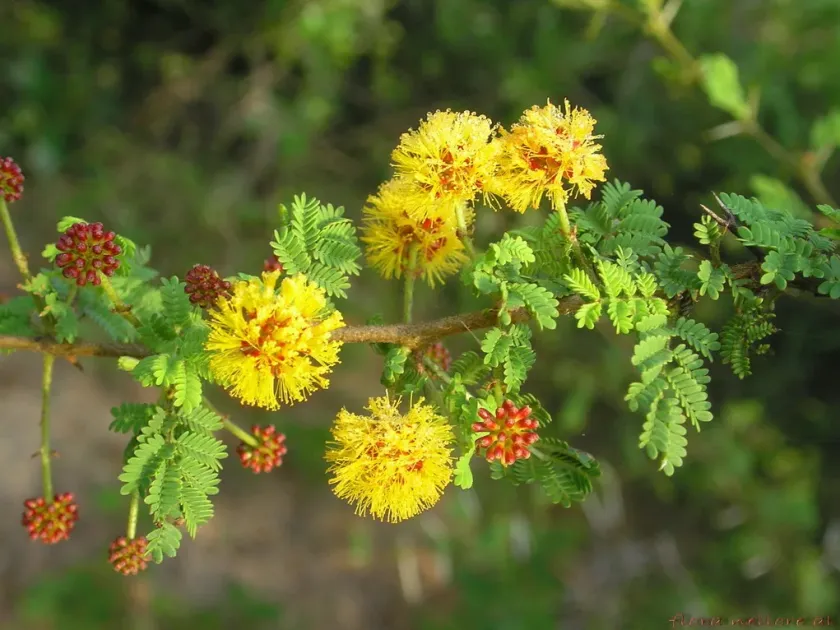
Description
Sowing dates
Vachellia eburnea is typically propagated through seeds, which require specific pretreatment to break dormancy caused by their naturally hard, impermeable outer seed coat.
Scarification, involving the mechanical abrasion of the seed coat or a brief soak in boiling water, is essential to ensure uniform and rapid germination rates after planting.
Seeds should be sown in nursery trays with a well-draining substrate, ensuring they are kept in a warm environment until seedlings reach a height of approximately 20–30 centimeters.
Transplanting into the field is recommended at the onset of the rainy season, allowing the plants to establish their root systems before the onset of the harsh dry weather.
Proper spacing of at least 4 meters between trees is advised to minimize competition for nutrients and water, which is critical in arid environments where resources are naturally limited.
Growing requirements
As a member of the Fabaceae family, Vachellia eburnea is exceptionally well-adapted to arid and semi-arid conditions, thriving in regions with high solar radiation and low rainfall.
The species prefers light, well-draining soils such as sandy or loamy textures, and it is highly susceptible to root damage if subjected to waterlogging or anaerobic soil conditions.
This tree is a heliophyte, meaning it requires full sun exposure to maintain its structural integrity and reach its full growth potential; shading significantly slows down its development.
While the tree is drought-tolerant, optimal growth is observed when there is a moderate moisture reserve in the soil, allowing it to withstand extreme temperature fluctuations.
The plant exhibits nitrogen-fixing capabilities through symbiotic relationships with soil bacteria, which enhances soil fertility and supports the growth of neighboring vegetation.
Yield
The primary economic value of Vachellia eburnea lies in its high-quality, dense wood, which is utilized for construction, fencing, and the creation of durable artisanal goods.
In pastoral regions, the tree serves as an essential source of supplemental fodder, as its foliage and young pods are rich in protein for livestock such as goats and camels.
The bark and pods are traditionally harvested for their high tannin content, which provides a sustainable resource for local leather tanning and natural dye production industries.
Its role in erosion control is significant, as the deep root system stabilizes fragile soil structures in desertified areas, promoting environmental restoration efforts.
Sustainable biomass production is achieved through judicious pruning, which allows for the periodic harvesting of wood and forage without compromising the long-term health of the tree.
Main diseases and pests
Fungal diseases related to excessive humidity and poor soil drainage are the most common threats to the health of Vachellia eburnea plantations, necessitating careful site selection.
Seed-feeding insects, particularly bruchid beetles, are major pests that can destroy a large portion of the seed crop, impacting natural regeneration and nursery productivity.
Leaf-eating pests and wood-boring insects may attack trees in weakened states, which underscores the importance of maintaining vigorous, healthy trees through appropriate site management.
Overgrazing by local fauna can lead to severe mechanical damage to young saplings, requiring the installation of protective barriers during the initial stages of establishment.
Regular sanitation measures, including the removal of infected branches and monitoring for early pest outbreaks, are necessary to prevent the spread of diseases within the stand.