
Vachellia davyi
Vachellia davyi
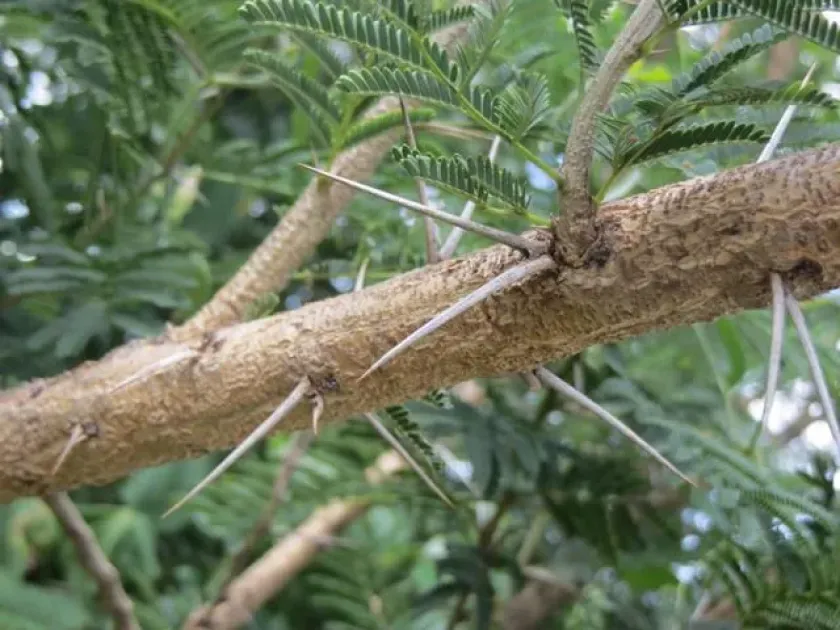
Description
Growing requirements
Vachellia davyi is a perennial tree belonging to the Fabaceae family, native to the Southern African region. It is a highly resilient species that thrives in environments ranging from open woodlands to rocky slopes.
The plant requires full sun exposure and well-draining soil to establish a healthy root system. It is particularly well-adapted to poor soils where it can compete effectively with other vegetation due to its nitrogen-fixing capabilities.
Climate requirements include warm temperatures throughout the growing season, as the plant is not frost-tolerant. Proper air circulation is essential for growth, especially in greenhouse or nursery environments where humidity levels can spike.
The botanical structure of the tree includes distinctive stiff spines and bipinnate leaves. The yellow, globular flower heads appear in spring, making the tree a significant source of nectar for local pollinators.
Economically, Vachellia davyi is valued for its wood properties, potential use in soil stabilization, and its aesthetic appeal in dry-land landscaping projects.
Main diseases and pests
Root rot is the most serious threat to Vachellia davyi, typically occurring when the plant is kept in saturated soil for extended periods. Proper drainage is the primary defense against this condition.
Common pests include scale insects and mealybugs, which tend to infest the stems and leaves. Regular monitoring and physical removal or systemic treatment are recommended to maintain plant health.
Spider mites can become an issue in low-humidity conditions. Maintaining a balance of moisture and air movement effectively prevents large-scale mite outbreaks.
Fungal infections can occur if the plant receives physical wounds during pruning. It is important to use clean tools and ensure that pruning cuts are smooth and protected.
While the tree is generally hardy, severe weather events such as intense frost can cause branch dieback. Protecting young specimens during their first few years is crucial for survival.