
Vachellia cornigera
Vachellia cornigera
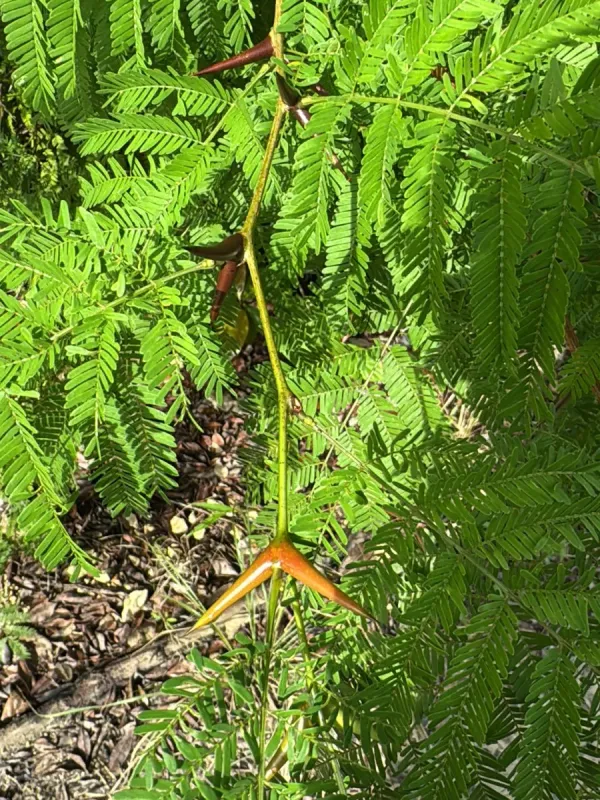
Description
Sowing dates
Vachellia cornigera is propagated primarily through seeds. In its native habitat, the seed coat is softened by animal digestive tracts, which facilitates germination upon deposition in fertile soil.
For horticultural cultivation, seeds require scarification to break dormancy. Careful abrasion of the seed coat allows water to reach the embryo, ensuring a higher success rate for sprouting.
Sowing should be done in a sandy, well-draining substrate. The pots must be kept in a warm environment, ideally between 25 and 30 degrees Celsius, to mimic tropical growth conditions.
Seedlings typically emerge within 14 to 30 days. During the early stages, it is vital to avoid overwatering, as the young roots are highly susceptible to rot if the soil remains constantly soggy.
Transplanting should occur once the first pair of true leaves is fully developed. Moving the plant into a larger container early on helps establish a strong root system before the thorns begin to harden.
Growing requirements
This species belongs to the Fabaceae family and is native to the arid and semi-arid regions of Mexico and Central America. It is a highly specialized xerophyte adapted to intense sun and drought.
The plant demands full, direct sunlight to thrive. In low-light environments, the plant will become leggy, and its characteristic bullhorn-shaped thorns will fail to develop properly.
Soil requirements focus on excellent drainage and aeration. A mix of potting soil, coarse sand, and perlite is ideal for mimicking the natural, loose soils where it naturally grows.
Temperature management is critical as this species is not frost-tolerant. It performs best in temperatures between 20 and 35 degrees Celsius throughout the growing season.
- Requires high intensity direct sunlight.
- Prefers well-draining, sandy-based soil.
- Requires protection from freezing temperatures.
Main diseases and pests
The plant is famous for its obligate mutualism with Pseudomyrmex ants. These ants live within the plant's hollow thorns and provide defense against herbivores and competing vegetation in exchange for food.
Pests such as spider mites and aphids may attempt to attack the plant if the ant colony is disturbed or absent. Maintaining a healthy symbiotic relationship is the best biological pest control.
Fungal diseases are the primary threat, especially in humid or stagnant conditions. Root rot is a common issue when watering practices do not align with the plant's need for soil oxygenation.
Proper air circulation is necessary to prevent leaf spot and mildew. Keeping the plant in a dry, breezy environment will help prevent most common fungal pathogens from establishing.
In a controlled setting, monitoring for signs of stress is key. If the thorns appear withered or the leaves begin to yellow, it often indicates an issue with either drainage or light levels.