
Vachellia borleae
Vachellia borleae
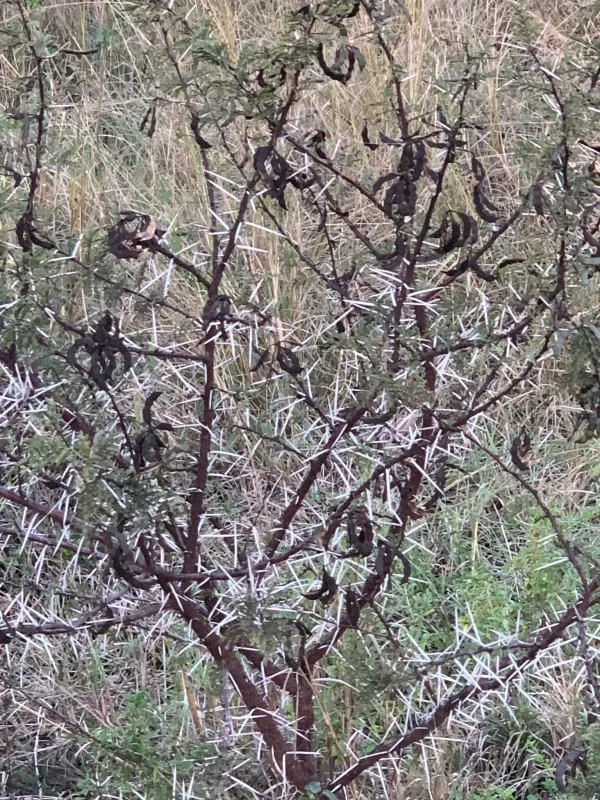
Description
Growing requirements
Vachellia borleae is a perennial woody species belonging to the Fabaceae family. In its natural form, it manifests as a thorny shrub or a small tree, exhibiting distinct xerophytic adaptations essential for survival in its native environment.
Originating from Southern Africa, specifically Mozambique and South Africa, this species is well-adapted to savanna ecosystems. It thrives in regions characterized by prolonged dry seasons and high evaporation rates.
The crop requires full sun exposure to maintain optimal physiological functions. In agricultural settings, selecting an open site with maximum daylight is crucial for ensuring the plant's structural integrity and growth rate.
Regarding soil conditions, Vachellia borleae prefers well-drained substrates such as sandy or rocky soils. It is highly sensitive to waterlogging, which can lead to rapid root decay, therefore, adequate site drainage is non-negotiable.
As a legume, the species is capable of symbiotic nitrogen fixation, which allows it to thrive in nutrient-poor soils. Agronomic maintenance is minimal, focusing mainly on establishing young trees and preventing weed encroachment during the first growth cycle.
Main diseases and pests
The primary biological threat to this species is damage from seed-boring insects, particularly weevils, which can destroy the reproductive output. Harvesting seeds promptly upon maturity is essential for pest mitigation.
Herbivory remains a significant concern, as both domestic and wild ruminants actively browse the tender foliage and young thorns. Protecting young specimens with physical barriers is a standard practice in managed landscapes.
Root rot pathogens represent the most common disease threat, usually triggered by poor drainage or excessive irrigation practices. Ensuring the root zone remains well-aerated is the best preventive measure.
Leaf-spot diseases caused by fungal pathogens can appear during unseasonably wet periods. Maintaining proper air circulation between plants helps significantly in reducing the incidence of such infections.
Aphid infestations on new shoots can also cause stunted growth. While the plant is resilient, severe outbreaks in nurseries may require the application of selective contact insecticides to protect foliage.