
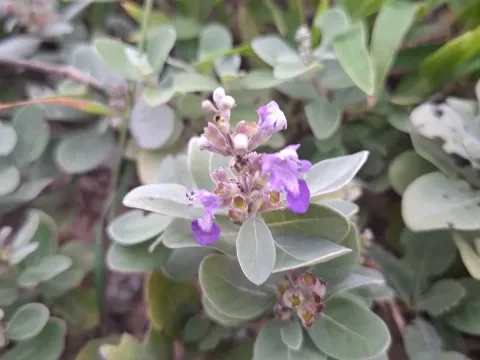
Tsoongia
Tsoongia
Tsoongia is a genus of flowering plants belonging to the Verbenaceae family. It is a monotypic genus, consisting solely of the species Tsoongia axilliflora, which is native to the tropical forests of Southeast Asia, particularly within the territories of China and Vietnam.
What the section contains

Tsoongia
The plant thrives in environments characterized by high ambient humidity and consistently warm temperatures. These conditions mimic the natural forest floor and understory habitats where the plant typically evolves.
Botanically, it is classified as a woody shrub or small tree. Its key morphological features include opposite leaf arrangements and small, axillary flowers that are characteristic of the broader Verbenaceae taxonomic group.
Soil requirements for Tsoongia involve well-drained, nutrient-rich substrates with a slightly acidic to neutral pH level. Proper aeration of the root zone is crucial to prevent physiological disorders related to waterlogging.
Due to its specialized requirements, cultivation is primarily restricted to specialized botanical gardens, research facilities, or protected environments that can simulate its native tropical climate.
The primary threats to Tsoongia under cultivation include fungal pathogens that flourish in stagnant, humid environments, often attacking the root systems or lower foliage.
Common horticultural pests such as spider mites, scale insects, and aphids represent significant risks, especially for juvenile plants struggling to establish in artificial conditions.
Because there is little established literature on large-scale field production, plant protection strategies remain experimental and rely heavily on general integrated pest management techniques.
Maintaining proper airflow and hygiene within the growing facility is considered the most effective way to prevent the rapid spread of infections among plant groups.
Early detection of chlorosis or leaf curling is recommended as these are often the first signs of stress from either pest infestation or improper soil moisture management.