
Tsoongia axillariflora
Tsoongia axillariflora
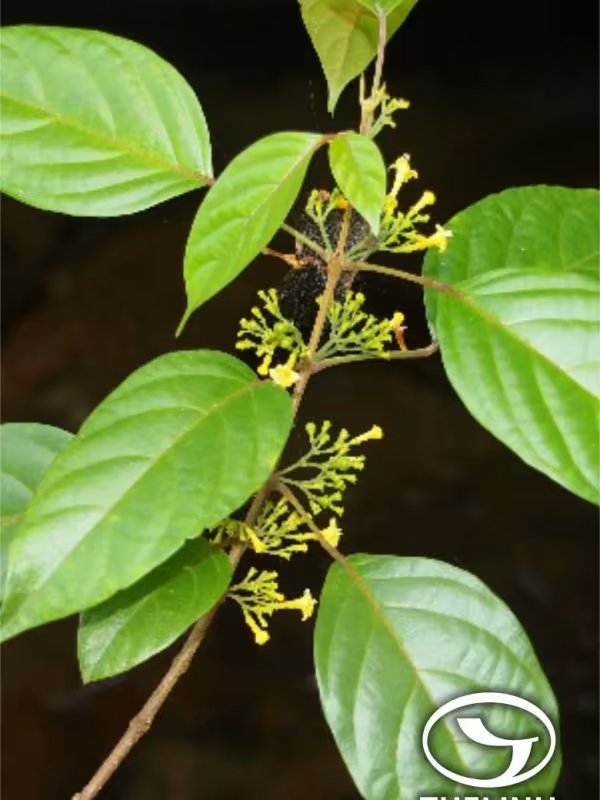
Description
Growing requirements
Tsoongia axillariflora is a tree species belonging to the Verbenaceae family. It is native to the tropical forests of Southeast Asia, primarily found in Southern China, Vietnam, and Laos, where it thrives in lush environments.
This species requires a warm, humid climate with stable temperatures throughout the year. It does not tolerate frost and grows best in locations with high atmospheric humidity, which is essential for maintaining its physiological functions.
The cultivation of this plant demands well-drained, nutrient-rich soils. It is sensitive to waterlogging, so choosing a site with excellent drainage is paramount to prevent the development of root-related physiological disorders.
Tsoongia axillariflora favors sunlight but often benefits from partial shading during its juvenile stages to protect foliage from excessive transpiration and sunburn. Protection from strong, drying winds is also a necessary management practice.
Agronomic management involves periodic fertilization using balanced NPK fertilizers and organic matter to support growth. Soil aeration via cultivation around the base of the plant is recommended to stimulate oxygen uptake by the roots.
Main diseases and pests
The primary threats to this culture are fungal diseases, particularly those that thrive in the humid tropical conditions where the plant originates. Root rot and anthracnose are among the most frequently observed clinical signs.
Insect pests include scale insects, spider mites, and leaf-chewing beetles. These organisms can significantly weaken the plant if infestations are not detected and managed early in the vegetative cycle.
Effective disease control is rooted in good cultural practices, such as maintaining proper plant spacing to ensure air circulation within the canopy. This practice effectively reduces the humidity levels that favor fungal spore germination.
Integrated pest management (IPM) is the recommended approach for this species. This involves monitoring pest populations and utilizing biological control agents before resorting to chemical insecticides, which should be used sparingly.
Sanitation is a crucial aspect of overall plant health. Removing dead or infected branches and maintaining a weed-free zone around the tree minimizes the risk of pathogen spread and eliminates habitats for potential pests.