
Velvety trisetum
Trisetum velutinum
Description
Growing requirements
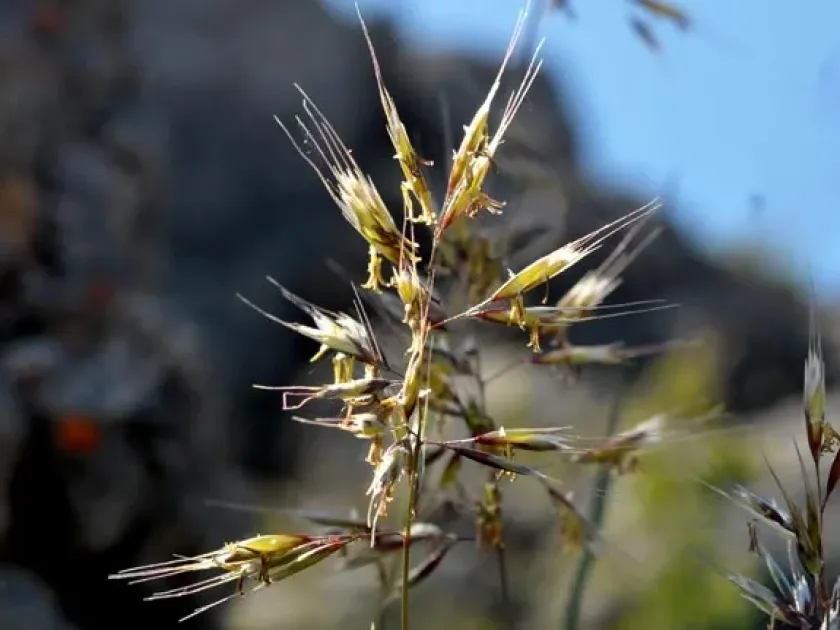
Velvety trisetum (Trisetum velutinum) is a perennial grass species belonging to the Poaceae family. It is native to the Andean regions of South America, thriving in high-altitude environments where it has evolved to withstand cool temperatures and thin mountain air.
The plant is characterized by its distinctively soft, velvety pubescence on the leaves and stems, which is an adaptation to harsh environmental conditions. Its root system is robust, providing stability in mountainous terrain and helping to mitigate soil erosion.
For cultivation, this grass requires well-drained soils with moderate moisture availability. It is sensitive to waterlogged conditions, which can inhibit root development and make the stand susceptible to root rots.
Agrotechnical practices involve ensuring an adequate supply of nitrogen and potassium to support vigorous foliage growth. Because of its perennial nature, managing the grazing or harvesting frequency is critical for the long-term survival of the stand.
In agricultural settings, it is valued as a component of mixed pasture systems, offering high palatability for livestock during the growing season in alpine or sub-alpine regions.
Main diseases and pests
Like many species in the Poaceae family, Trisetum velutinum is susceptible to various rust fungi (Puccinia spp.), especially in seasons with high humidity and stagnant air pockets within the field.
Insect pests such as grass thrips and various types of aphids can affect the vegetative growth and reduce the nutritional quality of the forage if their populations are not managed effectively.
Effective management includes regular monitoring of the crop canopy and ensuring that the grazing intensity does not compromise the recovery capacity of the grass plants.
Integrated pest management strategies are recommended to minimize the impact of pests while preserving the beneficial insect population within the field ecosystem.
Maintaining a balanced nutrient profile in the soil serves as a primary defensive measure, as healthy plants are naturally more resilient to minor infestations and fungal infections.