
Trisetum macrotrichum
Trisetum macrotrichum
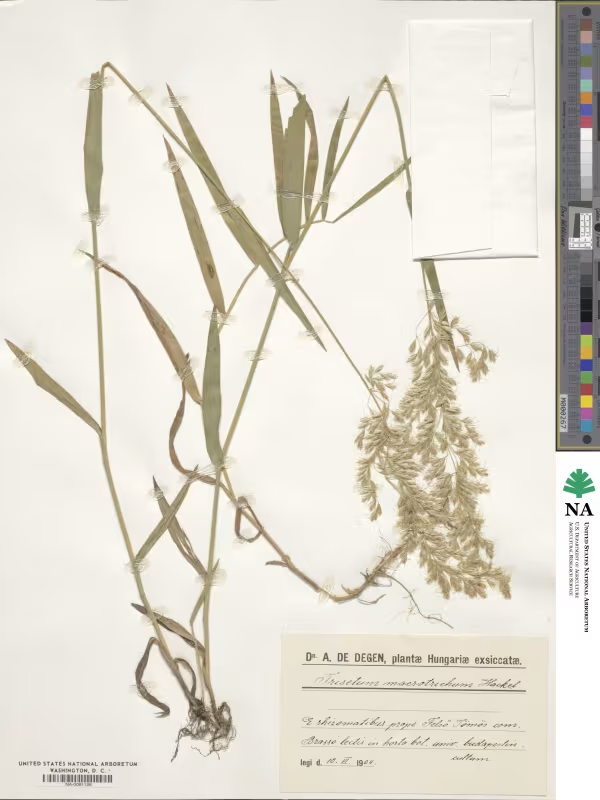
Description
Growing requirements
Trisetum macrotrichum is a perennial herbaceous plant belonging to the Poaceae (grass) family. It is a typical representative of mountainous and subalpine ecosystems, known for its high biological plasticity and adaptability to extreme conditions.
The plant prefers moderately moist, well-drained soils. It develops most productively on loamy and rocky substrates, characteristic of mountain slopes, where a sufficient supply of minerals supports active growth.
Optimal development requires a cool climate with moderate temperatures during the growing season. It possesses high frost resistance, allowing the plant to effectively withstand harsh alpine winter conditions and early spring frosts.
In its natural habitat, the plant is adapted to high levels of solar radiation, although it can tolerate partial shading within a dense canopy. Under cultivation, maintaining soil acidity in the 6.0–7.0 pH range is essential for nutrient uptake.
The crop has specific requirements regarding root system aeration. Excessive moisture and waterlogging are detrimental, making the selection of sites with natural drainage a critical factor for successful establishment.
Yield
The primary agricultural use of Trisetum macrotrichum is for establishing highly productive hay meadows and pastures. Its nutritional value remains high until the flowering stage, making it a valuable component of livestock forage.
Green biomass yield depends directly on the botanical composition of the grass mixture and soil fertility. Under favorable mountain grassland conditions, the culture provides a stable biomass output over several years.
The economic value of this species lies in its ability to regrow rapidly after mowing or grazing. With proper pasture management, the grass demonstrates excellent recovery, forming a dense and resilient sward.
Nutrients contained in the leaves and stems are highly digestible for livestock. This makes the species a promising candidate for selection programs aimed at improving natural grazing lands in high-altitude regions.
Utilizing this culture helps increase the overall productivity of the forage base. With moderate application of mineral fertilizers, particularly phosphorus and potassium, producers can significantly enhance protein yields per hectare.