
Alpine trisetum
Trisetum alpestre
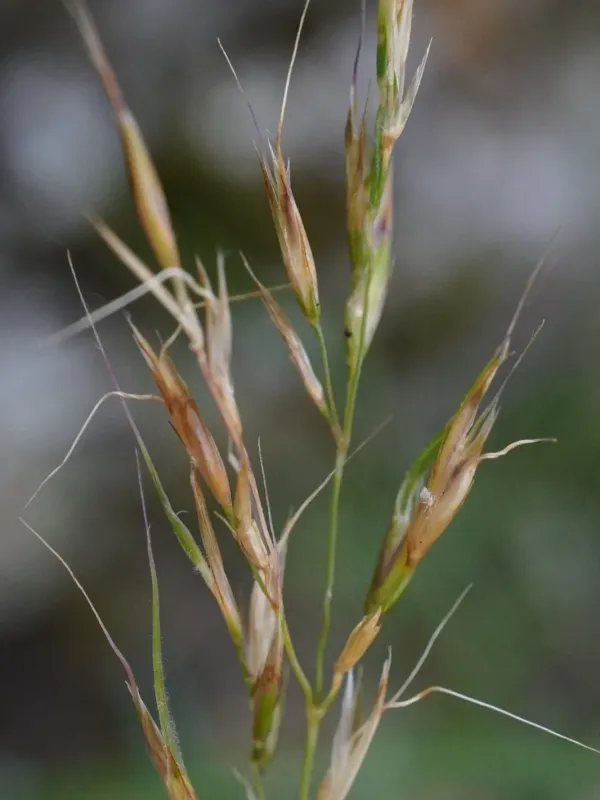
Description
Growing requirements
Alpine trisetum (Trisetum alpestre) is a perennial grass species belonging to the Poaceae family. It is native to the high-mountain regions of Europe, specifically the Alps, where it has evolved to thrive in subalpine and alpine meadow environments.
This crop is highly adapted to cool, harsh climates with short growing seasons. It exhibits excellent cold tolerance, making it suitable for areas where temperature fluctuations are common and snow cover persists for a significant portion of the year.
In terms of soil requirements, Alpine trisetum performs best in well-drained, porous soils. It has a preference for limestone or stony substrates, which provide the necessary aeration and mineral composition for healthy root development in rugged terrain.
The plant features a compact, tufted growth habit with narrow, slender leaves that are structurally adapted to withstand strong alpine winds. This morphology allows it to minimize water loss and maintain metabolic stability under intense light and fluctuating temperatures.
Economically, this species is utilized primarily for its forage potential in mountain pastoral systems. Its high nutritional value during the early vegetative stage makes it an essential constituent of high-quality hay and pasture for livestock grazing in elevated regions.
Main diseases and pests
The primary threats to Alpine trisetum cultivation involve fungal pathogens, particularly leaf rusts and various spot-forming diseases that thrive in damp, stagnant environments. These diseases can impair photosynthesis and reduce the overall biomass yield of the stand.
Pests such as cereal flies and certain aphids are commonly observed in high-altitude environments. While they can feed on the foliage, they typically do not reach levels that threaten the survival of the population, provided that the ecological balance is maintained.
Degradation of the pasture stand is often caused by overgrazing or improper management, which allows invasive weeds to colonize the area. Maintaining a proper cutting or grazing cycle is crucial for preserving the dominance of this grass within the meadow ecosystem.
Root rot is a risk when the plant is grown in soil with poor drainage or excessive water accumulation. Ensuring proper site selection and avoiding waterlogged areas is the most effective preventative measure against such soil-borne infections.
Monitoring the health of the plants is recommended, especially after periods of high humidity. Regular field inspections allow farmers to assess the presence of any pests or symptoms of infection, ensuring that the pasture remains productive throughout the growing season.