
Trisetum argenteum
Trisetum argenteum
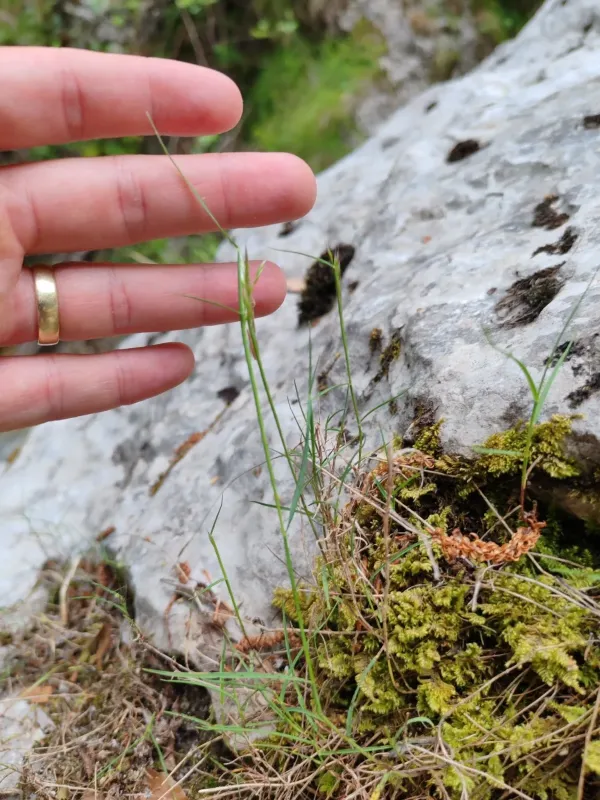
Description
Sowing dates
Trisetum argenteum is a perennial grass species often used in highland pasture mixtures. The optimal sowing time is early spring, when the soil has sufficient moisture levels to support germination after the winter period.
For best results, seeds should be placed at a shallow depth of approximately 1.5 to 2 centimeters. Following the sowing process, rolling the field helps to improve the soil-to-seed contact, which is vital for uniform plant emergence.
In regions with milder winters, late autumn sowing is an option. This practice allows the seeds to undergo natural stratification, leading to earlier and more vigorous growth once the spring temperatures arrive.
The seedling stage is characterized by a slow growth rate, requiring diligent management to minimize weed competition. Providing a clean seedbed and, if necessary, early-stage weeding significantly improves the survival rate of the crop.
The seeding rate must be balanced according to the purity of the material and the intended density of the sward. Using high-quality certified seed is recommended to ensure the establishment of a productive and stable forage stand.
Growing requirements
This species belongs to the Poaceae family and is well-adapted to high-altitude and mountainous environments. It thrives in well-drained, fertile loamy soils that provide good aeration for root development.
Trisetum argenteum exhibits remarkable cold tolerance, making it suitable for regions prone to harsh winters and late spring frosts. It is highly resilient against the cold winds that characterize its native mountainous range.
Regarding moisture, the plant prefers moderate rainfall. While it has some drought resistance, prolonged dry spells during the active growth phase can lead to a significant decrease in biomass production.
Full sunlight is essential for the development of both vegetative and generative organs. Shaded conditions will lead to sparse development and a lower potential for flower and seed production.
Soil pH should ideally be near neutral. If the soil is too acidic, applying lime before planting is an effective strategy to optimize nutrient uptake and support the long-term health of the grass stand.
Yield
The biomass yield of Trisetum argenteum is highly dependent on the harvesting frequency and the overall composition of the pasture. Generally, the crop provides two successful cuts of high-quality forage per season.
Nutritional value is highest before the plant enters the flowering phase. Harvesting at the early heading stage ensures a better balance of protein, energy, and fibers for livestock feed.
For seed production, it is important to allow the plants to reach physiological maturity. Harvesting at the wax ripeness stage, when the panicles exhibit their characteristic silvery luster, ensures optimal seed quality.
With proper fertilization and management, the crop is capable of producing substantial yields. Proper nitrogen and phosphorus management are key to sustaining productivity over multiple growing seasons.
The longevity of the stand is typically 5 to 7 years. Avoiding overgrazing is crucial to maintaining the health of the root system and ensuring the plant's ability to regenerate after being mowed or grazed.
Main diseases and pests
Rust diseases and various leaf spot pathogens are the primary threats to the health of the stand. These infections tend to flare up during periods of high humidity and warm, stagnant air conditions.
Pests, particularly grass-feeding insects such as flies and mites, can cause damage by attacking stems or foliage. Frequent monitoring is necessary, especially during the peak of the growth season.
Cultural practices, such as maintaining appropriate plant density and avoiding over-fertilization with nitrogen, are essential to minimize the risk of widespread disease outbreaks within the forage stand.
If chemical control becomes necessary, fungicides must be applied according to local regulations and safety guidelines, with strict adherence to the waiting periods before grazing or harvesting.
Crop rotation and field hygiene are vital components of integrated pest management. Removing crop residues and ensuring a break between successive plantings can help break the lifecycle of specific pathogens.