
Trisetum bifidum
Trisetum bifidum
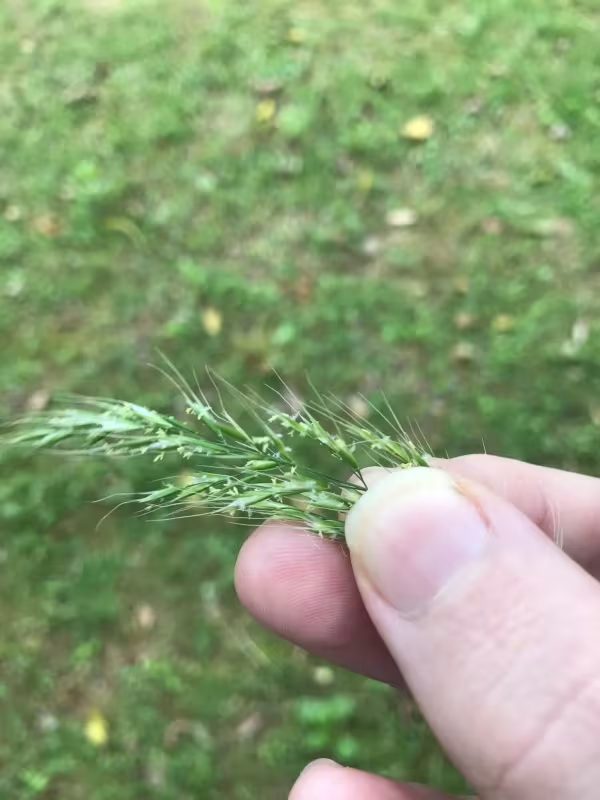
Description
Growing requirements
Trisetum bifidum is a perennial herbaceous plant belonging to the Poaceae family. Originally native to East Asia, including regions of China, Japan, and the Korean Peninsula, this grass has evolved to thrive in diverse ecological niches ranging from meadows to mountain slopes.
Regarding soil requirements, the crop performs best in well-drained, fertile loamy soils. It demonstrates a moderate tolerance for various soil pH levels, although it prefers slightly acidic to neutral environments. Poor drainage and heavy waterlogging are detrimental to root development and overall plant vigor.
The climate requirements of this species include a preference for temperate zones with consistent moisture during the growing season. While the plant is hardy and withstands winter frosts, it requires adequate sunlight to ensure optimal photosynthetic activity and the accumulation of biomass for forage production.
Cultivation practices involve proper seedbed preparation to ensure good soil-to-seed contact. The plant responds well to nitrogen-based fertilizers, which promote rapid regrowth after harvesting. Regular soil testing is recommended to balance nutrients and maintain the productivity of the grassland over several years.
The primary agricultural use of Trisetum bifidum is as a high-quality forage grass. It is highly valued for its nutritional profile and palatability, making it a significant component in livestock grazing systems and a reliable source for hay production in its native range.
Main diseases and pests
Trisetum bifidum is susceptible to several fungal diseases, notably rusts and powdery mildew. These pathogens thrive in environments with high humidity and poor air circulation, often resulting in significant yield losses if left unmanaged during peak development stages.
Insect pests, such as various species of aphids and cereal flies, represent a constant threat to the vegetative parts of the plant. These pests can weaken the stand, particularly during the early stages of growth, by feeding on the sap and disrupting the physiological processes of the stems.
Management of these threats is achieved through an integrated pest management (IPM) approach. This involves monitoring the field regularly to identify early signs of infestation, ensuring optimal plant spacing to promote airflow, and applying appropriate pesticides only when strictly necessary.
Cultural practices, such as timely harvesting, serve as an effective tool for disease control. By removing the foliage at the appropriate physiological stage, producers can break the life cycle of many pathogens and pests, ensuring that the next regrowth cycle starts on a cleaner foundation.
Maintaining balanced soil fertility is also critical, as nutrient deficiencies can make the grass more susceptible to environmental stress and disease. A robust, well-nourished crop is naturally more resilient to minor infestations and less prone to severe disease outbreaks throughout the season.