
Siberian oatgrass
Trisetum sibiricum
Description
Growing requirements
Siberian oatgrass (Trisetum sibiricum) is a perennial grass species belonging to the Poaceae family. It is recognized as a high-quality forage crop, valued for its nutritional density and palatability for livestock, particularly in cold-climate agriculture.
The native distribution of this grass spans across temperate regions, including Siberia, parts of East Asia, and Northern Europe. Its adaptation to harsh climates makes it a resilient choice for northern agricultural regions seeking sustainable forage production.
This grass thrives in soils with adequate moisture and organic matter content. It is most productive when grown in fertile alluvial soils or meadows that maintain a consistent water supply throughout the growing season.
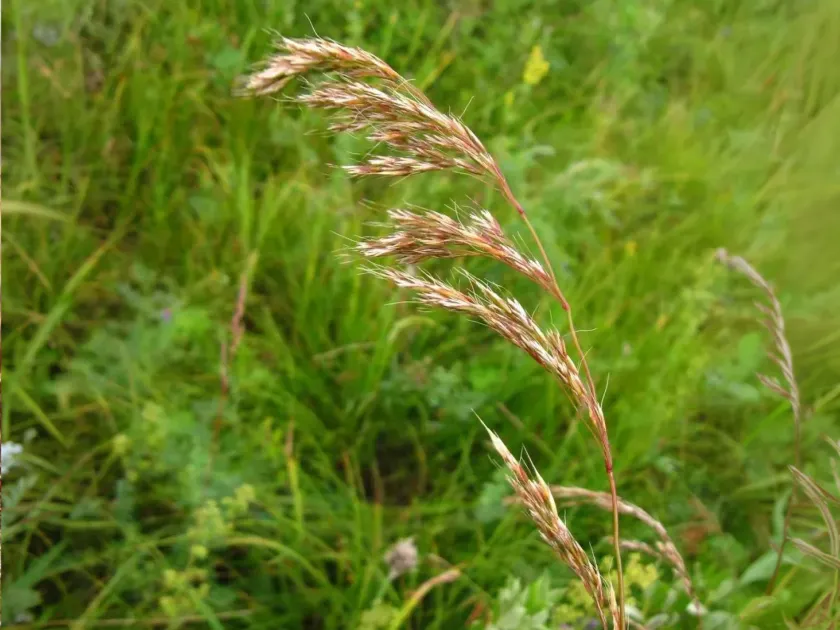
Botanically, it is a clump-forming grass with a dense root system. This structure enables the plant to survive freezing temperatures and recover rapidly in early spring, providing an essential source of fresh green fodder when other grasses are still dormant.
The primary agricultural use of Siberian oatgrass is in hay meadows and grazing pastures. Its tender leaves and high energy content contribute to improved livestock performance, making it a staple species in many cold-region grassland management systems.
Yield
The yield of Siberian oatgrass depends significantly on soil fertility and climatic conditions. Under optimal moisture availability and proper soil nutrient management, the species is capable of producing consistent harvests of high-quality biomass.
To maximize biomass production in agricultural settings, applying nitrogen-based fertilizers is often recommended. This promotes vigorous regrowth after cutting, allowing for multiple harvests within a single season under favorable conditions.
Siberian oatgrass is valued for its longevity. When managed correctly, it remains a persistent component of the pasture or meadow, reducing the need for frequent reseeding and lowering overall production costs for the farmer.
Seed harvesting requires careful timing because inflorescences tend to mature unevenly. Implementing advanced harvesting techniques helps minimize losses due to natural seed shattering before and during the harvest process.
Forage quality remains at its peak until the plant reaches the flowering stage. Therefore, planning the cutting schedule before the onset of reproductive maturity is vital for producing high-protein hay for winter storage.
Main diseases and pests
While Siberian oatgrass is generally robust, excessive moisture can lead to outbreaks of fungal diseases such as rust and powdery mildew. Maintaining good field hygiene and ensuring proper drainage are effective preventative measures.
Insect pests, such as cereal flies and aphids, can cause damage to young seedlings. Regular field scouting and the use of integrated pest management strategies are advised to protect the stand during the critical establishment phase.
Root rot represents a potential threat on poorly drained fields. To prevent disease proliferation, farmers should monitor soil water status and implement land improvement practices to maintain optimal soil aeration.
Weed competition can be a concern during the early growth stages, but the species forms a dense canopy as it matures, which naturally suppresses weed growth and maintains the integrity of the forage stand.
Sustainable pasture management is essential to prevent stand degradation. Avoiding overgrazing ensures that the plant retains enough energy reserves in its root system for regrowth and persistence over many years.