
Sand-lily
Toxicoscordion paniculatum
Description
Growing requirements
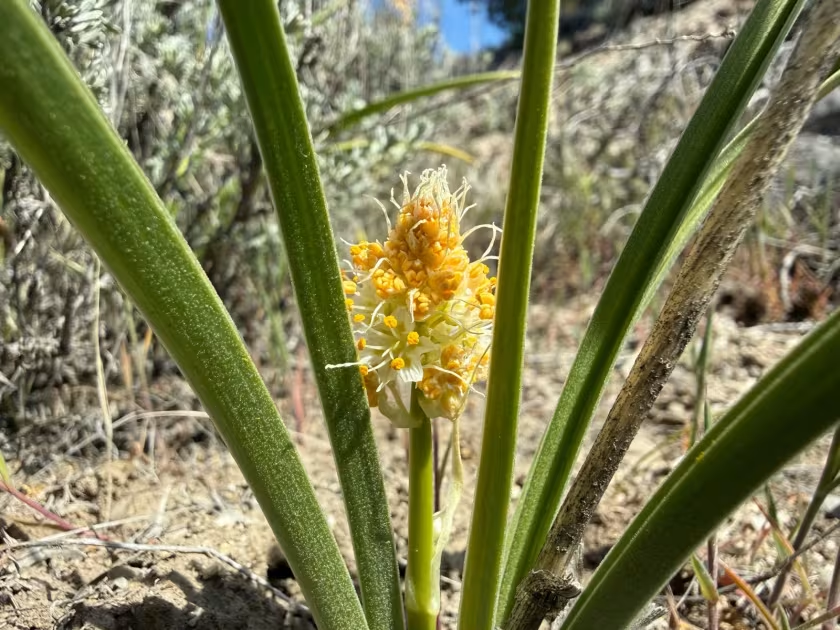
Toxicoscordion paniculatum, commonly known as sand-lily or foothill death camas, is a perennial bulbous plant belonging to the Melanthiaceae family. It is native to the western parts of North America, where it thrives in arid grassland and sagebrush environments.
The plant features a basal rosette of linear, grass-like leaves and a distinct flower stalk bearing small, white to cream-colored blooms. It stores vital nutrients in its underground bulb, allowing it to remain dormant during the heat of the summer.
Regarding soil requirements, the species demands extremely well-drained, porous substrates. It is highly intolerant of heavy clay or waterlogged soils, which promote bulb decay. Rocky or sandy slopes are its preferred habitats in the wild.
The climate must provide a distinct wet spring followed by a hot, dry summer. This seasonality is crucial for the life cycle of the plant, triggering the transition from active growth to summer dormancy.
While the plant has no agricultural utility, it is significant in rangeland management. It contains toxic alkaloids that pose a serious health risk to sheep, cattle, and horses if ingested, necessitating careful monitoring of grazing areas during the early spring.
Main diseases and pests
Fungal infections, particularly root rot, are the primary disease threats, usually triggered by excessive irrigation or poor drainage conditions in the immediate environment.
Insect pests, including bulb-boring beetles and certain moth larvae, can inflict significant damage on the internal tissues of the bulb during the dormant phase.
Environmental threats often involve the loss of native habitat due to land development and the invasion of non-native grass species that outcompete the plant for limited soil moisture.
Grazing pressure from wild herbivores can damage individual plants, but the species remains resilient due to its toxic defense mechanism, which discourages persistent browsing.
Agricultural managers typically focus on preventing the spread of this plant into productive pastures to protect livestock from fatal ingestion during early growth stages.