
Toxicoscordion fremontii
Toxicoscordion fremontii
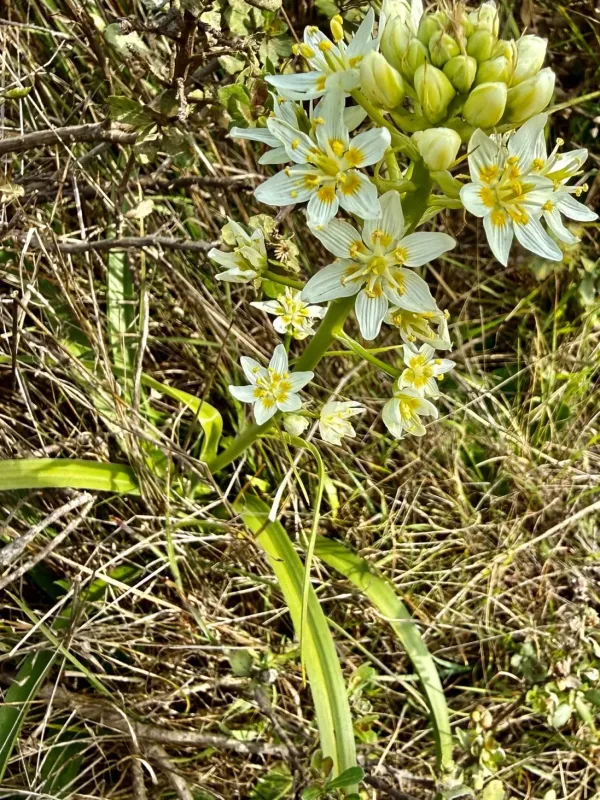
Description
Sowing dates
Propagation of Toxicoscordion fremontii typically relies on seed dispersal. Seeds require a period of cold stratification to break dormancy, which mimics the natural winter cycle found in their native habitat.
When cultivating, sowing should ideally occur in the autumn. Placing seeds in a well-draining soil mix is essential to prevent rot during the damp winter months.
Germination is often slow and erratic compared to more common horticultural crops. Growers must maintain consistent moisture levels without creating a waterlogged environment for the developing roots.
The seedling stage lasts several years before the plant achieves a bulb size sufficient for flowering. Patience is a fundamental requirement when managing a crop from the initial seed stage.
Care should be taken during the first season of growth to protect young plants from soil crusting. Using a light mulch can help regulate surface temperature and soil moisture levels effectively.
Growing requirements
Toxicoscordion fremontii belongs to the Melanthiaceae family and is native to western North America. It thrives in open, sunny environments where it is exposed to full solar radiation.
The species prefers rocky or well-draining clay-loam soils. Effective drainage is the most critical factor for survival, as the bulbs are prone to immediate decay in waterlogged conditions.
The climate must provide a distinct dry season during the summer. This dry period is vital for the plant to enter its natural dormancy, allowing the bulb to recover from the flowering cycle.
These plants are adapted to Mediterranean climatic conditions with mild, wet winters and warm, dry summers. Deviating from these cycles usually results in poor growth or total plant failure.
Fertility requirements are minimal. The species has adapted to nutrient-poor soils; thus, excess fertilization is generally unnecessary and can prove detrimental to the health of the bulb.
Main diseases and pests
Fungal infections are the most significant threat, particularly those that target the root system. Overwatering during the dormant season almost inevitably leads to fatal bulb rot.
Pests such as bulb flies can infest the underground storage organs. These pests compromise the integrity of the bulb, often introducing opportunistic pathogens that accelerate decay.
Herbivory is generally limited because the plant contains potent alkaloids. This chemical defense makes the foliage and bulbs toxic to most mammals, including common garden pests.
Snails and slugs may pose a seasonal threat to emerging foliage during the wet spring. Regular monitoring is recommended to ensure that tender growth remains uncompromised.
Environmental stress, such as unseasonable summer rainfall, can disturb the plant's dormancy. Such disturbances often leave the bulb vulnerable to fungal pathogens that would otherwise be dormant.