
Toxicoscordion exaltatum
Toxicoscordion exaltatum
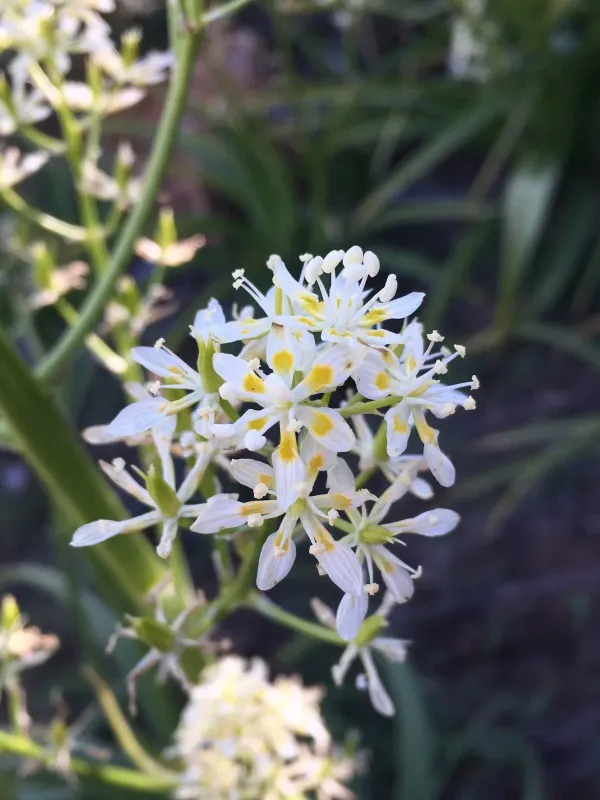
Description
Growing requirements
Toxicoscordion exaltatum is a perennial bulbous plant belonging to the Melanthiaceae family. In agricultural terms, it is recognized as a significant toxic weed that poses severe risks to livestock grazing in its native habitats.
The plant originates from the western regions of North America, typically found in mountain slopes, moist meadows, and woodland edges. It is adapted to climates with distinct seasonal variations, allowing for dormancy during harsh winter months.
Botanical features consist of an underground bulb that stores essential nutrients, supporting rapid growth in early spring. The foliage is primarily basal, with linear leaves, while the inflorescence is a dense raceme or panicle of small, distinct flowers.
Environmental requirements prioritize well-drained soil types. The plant thrives in loamy or sandy substrates that provide consistent moisture without waterlogging, which is critical for maintaining the health of the bulbous root system.
Agricultural use is strictly restricted due to its poisonous nature. The presence of zygadenine alkaloids in all plant parts makes it highly dangerous for sheep, cattle, and horses, necessitating strict grazing management in affected pastures.
Main diseases and pests
Fungal pathogens represent the most significant threat to the plant, specifically those causing basal rot and bulb decay under conditions of excessive soil moisture.
Insects that specialize in bulbous flora may occasionally infest the plant, yet the potent chemical defenses of the species effectively limit herbivory from most common pasture insects.
Competition from aggressive native grasses and legumes serves as a natural check on the population density of this species within competitive grassland ecosystems.
Effective management requires regular scouting during the early vegetative phase to ensure timely intervention before the plants reach maturity and seed dispersal.
Control strategies often involve a combination of manual removal of the bulbs or the targeted application of selective herbicides to maintain the safety of livestock grazing areas.