
Small-flowered deathcamas
Toxicoscordion micranthum
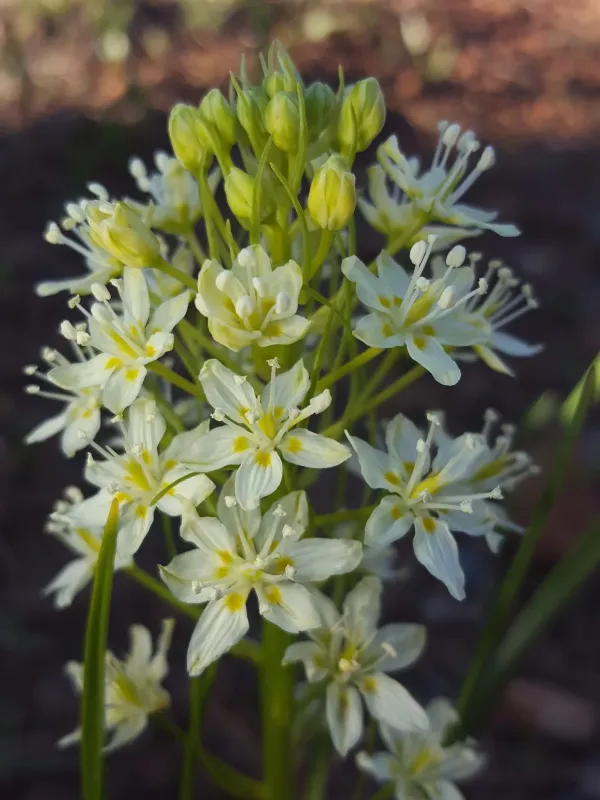
Description
Growing requirements
Small-flowered deathcamas (Toxicoscordion micranthum) is a perennial bulbous plant belonging to the Melanthiaceae family. It is native to western North America, typically found in open meadows and rocky slopes.
The plant is characterized by a deep-seated bulb that allows it to survive seasonal shifts, effectively storing energy for rapid growth during the early spring months.
Regarding soil requirements, this species thrives in well-drained, gritty, or loamy soils. It avoids areas with stagnant water, as bulbs are susceptible to rot under constantly saturated conditions.
Climatically, it prefers regions with wet springs and dry summers, which aligns with its natural phenology where the plant flowers and produces seeds before the peak heat of summer.
While not a cultivated crop, understanding its environmental needs is essential for range management, as it often appears as a volunteer plant in natural grazing fields.
Main diseases and pests
The primary concern regarding this species is its high toxicity. It contains potent steroidal alkaloids, such as zygadenine, which are lethal to sheep, cattle, and horses if ingested.
Symptoms of toxicity usually manifest as severe neurological distress, respiratory failure, and digestive complications, making it a critical management challenge for ranchers.
Natural pests are minimal due to the plant's chemical defenses; however, generalized soil-borne larvae may occasionally feed on the bulbs without causing significant reduction in the population.
Plant diseases such as leaf spots or fungal pathogens can affect the foliage during exceptionally wet seasons, though these rarely lead to widespread mortality of the plants.
Management strategies involve selective removal and close monitoring of grazing patterns to prevent ingestion during the spring flush when the green foliage is most attractive to livestock.