
Jerusalem artichoke
Helianthus tuberosus L.
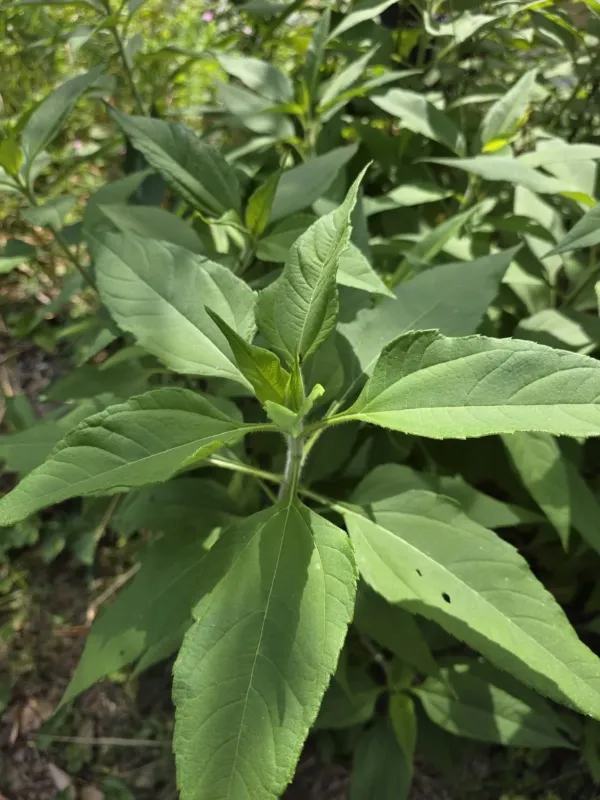
Description
Sowing dates
Jerusalem artichoke, scientifically known as Helianthus tuberosus, is typically planted in early spring as soon as the soil becomes workable and has warmed up to at least +6...+8 °C.
Tubers are planted at a depth of 8 to 15 cm, depending on the soil structure. In light, sandy soils, deeper planting is preferred, whereas shallower planting is sufficient for heavier clay soils.
The spacing between rows should be approximately 70 cm, with individual tubers placed about 30 to 40 cm apart within the rows to ensure adequate space for vegetative expansion.
Because the plants can grow quite tall, reaching heights of 2–3 meters, they are often planted in locations where they will not overshadow other crops in the garden or field.
Due to the plant's perennial nature and high vigor, it is important to carefully select the planting site, as it can be difficult to eradicate once established due to small tubers remaining in the soil.
Growing requirements
This crop belongs to the Asteraceae family and is highly adaptable, thriving in a wide range of climatic conditions, from temperate regions to more variable climates.
While Jerusalem artichoke is not overly demanding regarding soil type, it performs best in well-drained, fertile soils with a neutral pH, avoiding areas prone to waterlogging.
The plant is exceptionally hardy, with established tubers capable of surviving extreme winter temperatures and frost deep within the soil without significant damage.
Jerusalem artichokes are sun-loving plants that require full exposure to direct sunlight for the majority of the day to maximize tuber development and biomass production.
While they show good drought tolerance once established, consistent moisture during the late summer growing phase is essential for producing high-quality, plump tubers at harvest time.
Yield
Jerusalem artichoke is recognized for its high productivity, with yields typically ranging from 30 to 60 metric tons of tubers per hectare under optimal agricultural management.
Beyond the tubers, the green parts of the plant serve as a nutritious fodder crop, providing substantial biomass that can be used for silage or direct livestock feeding.
The high inulin content in the tubers makes this crop a valuable resource for the food industry, as well as a potential feedstock for the production of biofuels like ethanol.
Consistent yields can be maintained over several years, though intensive cultivation may eventually deplete soil nutrients, requiring balanced fertilization or crop rotation.
The plant's ability to efficiently convert solar energy into carbohydrates throughout the long growing season is the primary driver of its impressive yield potential.
Main diseases and pests
Common diseases affecting Jerusalem artichoke include sclerotinia (white mold) and various fungal infections, especially prevalent in poorly drained soils with high humidity.
Pests such as wireworms and white grubs can cause damage to the tubers, creating entry points for secondary bacterial infections that lead to tuber rot during storage.
Disease prevention is largely achieved through good field sanitation, such as removing crop debris after harvest and ensuring that the planting material is clean and healthy.
To control soil-borne pests, farmers often employ deep autumn plowing to expose larvae to birds and frost, as well as implementing strict crop rotation practices.
Chemical intervention with fungicides or insecticides should be considered as a last resort, always adhering to local regulations regarding application on root and tuber crops.
Harvesting
Harvesting usually begins in late autumn after the first frost, which signals the plants to stop vegetative growth and concentrate sugar storage in the tubers.
Tubers are very resilient and can be left in the ground throughout the winter for a spring harvest, provided the soil does not freeze so deeply that extraction becomes impossible.
Before mechanical harvesting, the stalks are typically mowed down to a height of 10–15 cm to clear the field and allow standard potato harvesting machinery to operate efficiently.
Care must be taken during the digging process to minimize bruising or cutting the tubers, as mechanical damage can significantly reduce their storage life and quality.
Once harvested, tubers should be cleaned of excess soil and stored in cool, humid conditions to prevent them from shriveling or drying out before they reach the consumer.