
Tillandsia stricta
Tillandsia stricta Sol. ex Ker Gawl.
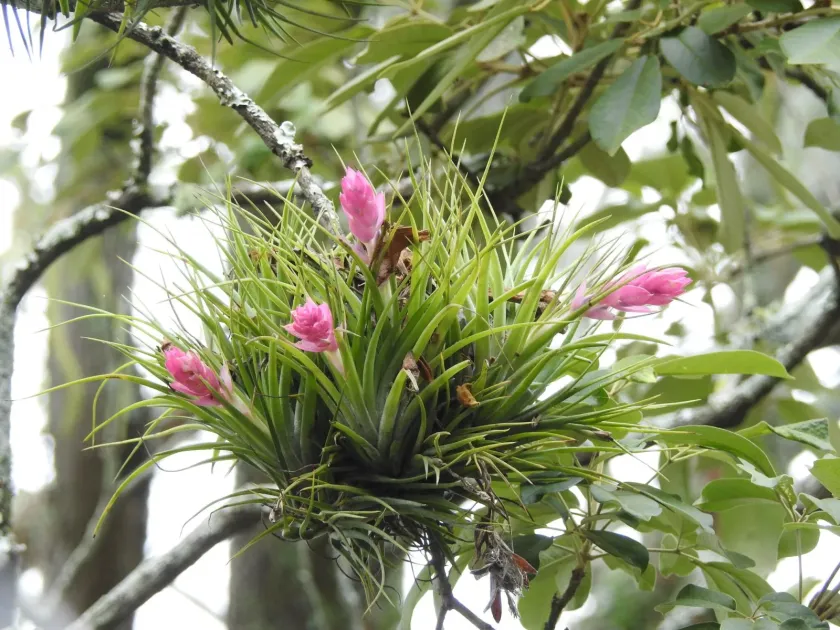
Description
Growing requirements
Tillandsia stricta is a member of the Bromeliaceae family. Native to the tropical regions of South America, including Brazil and Argentina, it is an epiphyte that naturally grows attached to tree branches and rocky substrates, thriving in humid forest canopies.
To successfully cultivate this species, high atmospheric humidity (60–80%) is essential. Optimal growing temperatures range from 20°C to 25°C, with night temperatures remaining above 15°C to prevent cold stress in the plant tissues.
As an epiphyte, Tillandsia stricta does not require a traditional potting mix. Cultivation typically involves mounting the plant on cork bark, driftwood, or using a highly breathable medium specifically formulated for epiphytes to allow for proper airflow around the root system.
Lighting requirements include bright, indirect sunlight. Direct afternoon sun can lead to leaf scorching, so placing the plant near an east-facing window or using light filtration is highly recommended for maintaining healthy foliage and encouraging flowering.
Watering is conducted by misting or soaking the plant with soft, mineral-free water. It is crucial to ensure that water does not accumulate in the center of the rosette for extended periods, as this can lead to crown rot and systemic bacterial infections.
Main diseases and pests
Mealybugs are among the most common pests affecting Tillandsia species. These insects thrive in leaf axils, and their presence requires immediate isolation of the plant and application of appropriate systemic insecticides to prevent damage.
Scale insects can attach to the leaves, draining essential nutrients. Regular monitoring and the manual removal of adult scales, followed by horticultural oil treatments, are effective strategies for managing these pests without harming the plant.
Root and crown rot are frequent issues caused by poor ventilation combined with excessive moisture. Maintaining an environment with good air movement is a primary prophylactic measure against fungal and bacterial pathogens.
Spider mites may appear in indoor environments if the ambient humidity drops below recommended levels. Frequent misting and the use of acaricides are necessary to control mite populations before they compromise the plant's vigor.
Nutrient deficiency can manifest as stunted development and loss of vibrant leaf color. To support growth, a dilute, water-soluble fertilizer specifically designed for bromeliads may be applied as a light foliar spray during the active growth phase.