
Tillandsia capitata
Tillandsia capitata Griseb.
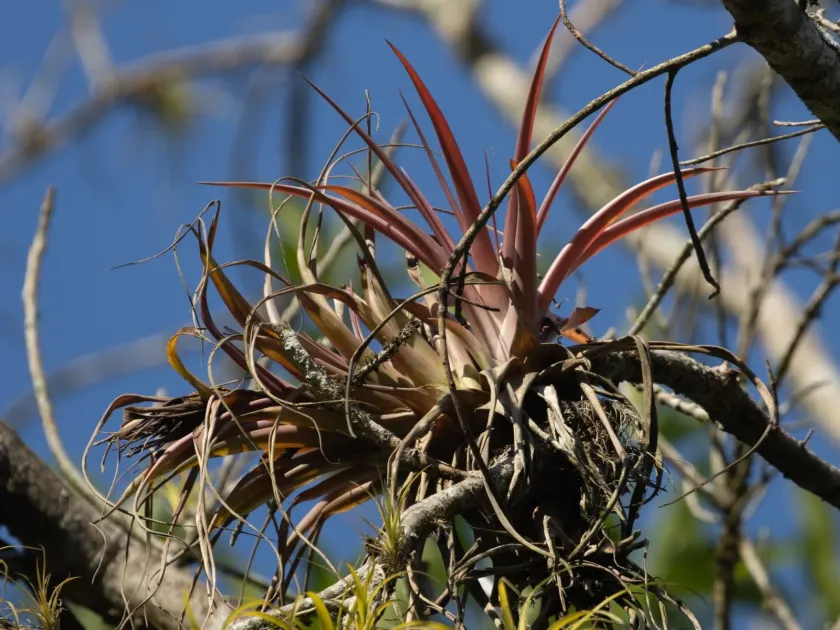
Description
Growing requirements
Tillandsia capitata is a fascinating member of the Bromeliad family, widely recognized for its diverse forms and ability to thrive as an epiphyte.
Originating from the tropical regions of Mexico, Central America, and the Caribbean, this species is naturally adapted to humid environments with consistent temperatures.
The botanical structure consists of a dense rosette of leaves covered with trichomes, which are specialized cells that absorb moisture and nutrients from the atmosphere.
Optimal growth requires bright, filtered light; exposure to direct intense sunlight can be detrimental to the foliage, especially in greenhouse conditions.
Agricultural success with this species depends on maintaining high ambient humidity and ensuring proper airflow to mimic the natural canopy environment.
Main diseases and pests
Mealybugs and scale insects are the primary pests that affect Tillandsia capitata, often hiding deep within the dense leaf rosette.
Rot caused by fungal pathogens is a common threat, usually triggered by poor drainage or allowing water to pool in the base of the plant for extended periods.
Maintaining a dry core after watering is crucial, as constant saturation of the plant center creates an environment favorable for bacterial and fungal growth.
If pests are identified, it is necessary to quarantine the affected plants and treat them with appropriate horticultural oils or systemic insecticides.
Providing optimal environmental conditions remains the best defense against threats, as stressed plants are significantly more susceptible to attacks.