
Large-leaved linden
Tilia platyphyllos Scop.
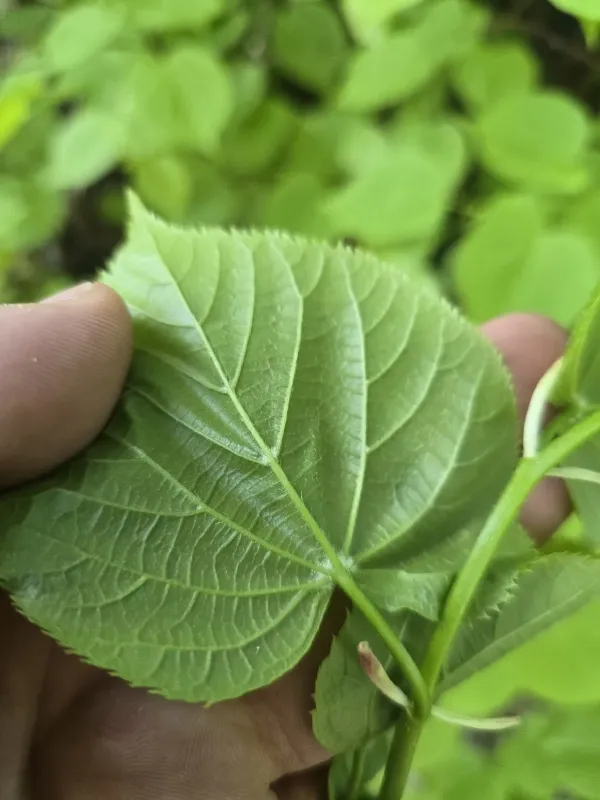
Description
Sowing dates
Sowing seeds of Tilia platyphyllos is typically done in the autumn immediately after harvest to allow the seeds to undergo natural stratification in the soil over winter.
For spring sowing, seeds require cold stratification at temperatures between 0 and 5 degrees Celsius for several months to break their deep innate seed dormancy.
Seeds are sown in prepared, nutrient-rich soil at a depth of 2–3 centimeters, followed by mulching with peat or compost to maintain adequate soil moisture levels.
In nursery production, rows are spaced 30 to 40 centimeters apart, which facilitates mechanical weeding and ensures that seedlings have enough space to grow properly.
Seedlings usually emerge by mid-summer, and it is crucial to provide them with shade and consistent moisture during their first year of life to ensure high survival rates.
Growing requirements
The large-leaved linden is a member of the Malvaceae family and prefers deep, fertile, well-drained loamy soils that are rich in organic matter and nutrients.
While the species is notably shade-tolerant, which allows it to thrive in denser forest settings, it requires good sunlight exposure to maximize floral production.
The tree performs poorly in waterlogged soils or sites with high salt concentrations and should be protected from stagnant groundwater to prevent root rot issues.
It is generally frost-hardy and well-adapted to temperate climates, although late spring frosts can sometimes damage emerging buds and delicate young foliage.
In urban environments, this species is highly valued for its tolerance to atmospheric pollution, making it an excellent choice for street planting and city parks.
Yield
Large-leaved linden is widely recognized as one of the most productive honey plants, yielding high-quality nectar that produces a prized, aromatic linden honey.
Under favorable meteorological conditions, mature linden stands can provide an exceptional honey yield, often reaching hundreds of kilograms per hectare annually.
Floral harvest, used primarily in herbal medicine, occurs during peak flowering when blossoms are fully open but before they begin to wilt or lose their potency.
The wood of this species is highly valued in the industry for its uniform grain, softness, and ease of carving, making it a top choice for traditional woodworking.
Secondary forest products include the harvesting of inner bark fibers, historically used for rope and mat making, as well as high-quality timber for furniture.
Main diseases and pests
The species may be affected by fungal pathogens such as powdery mildew or leaf spot diseases, which can reduce the tree's vigor and ornamental appearance.
Pests like the linden leaf gall mite and various leaf-rolling caterpillars pose a significant threat to the foliage and can reduce the tree's overall photosynthetic area.
Bark damage caused by rodents or wood-boring insects can create entry points for secondary infections, potentially leading to long-term decline of the specimen.
Effective management includes maintaining tree health through proper fertilization, monitoring for early signs of infestation, and removing infected branches immediately.
Proactive care, including the maintenance of surrounding biodiversity, helps to keep natural pest populations in check and supports the health of the linden trees.
Harvesting
Flowers are collected by hand during dry, sunny weather, usually in the early morning once the dew has evaporated, to ensure the highest concentration of essential oils.
Post-harvest processing involves rapid drying in shaded, well-ventilated areas to prevent browning and the loss of the delicate floral compounds that define its quality.
Dried product must be stored in airtight containers within cool, dark environments to prevent degradation from light, humidity, and atmospheric oxidation over time.
Timber harvesting is best performed in late winter when sap flow is at its lowest, which improves the durability of the wood and reduces the risk of seasoning defects.
Sustainable harvesting practices ensure the long-term viability of linden stands, providing ongoing benefits for honey production, timber use, and environmental health.