
Mongolian linden
Tilia mongolica Maxim.
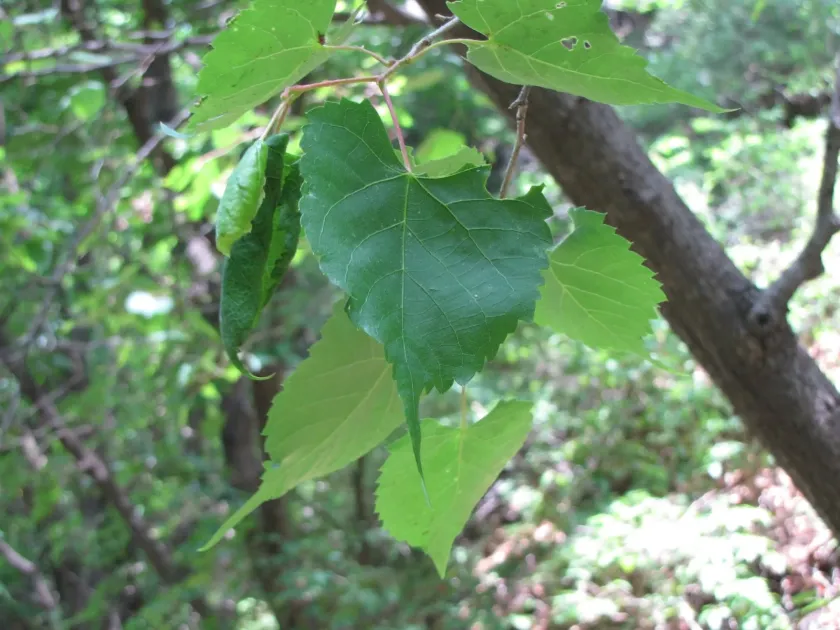
Description
Growing requirements
The Mongolian linden (Tilia mongolica Maxim.) is a distinctive member of the Malvaceae family, prized for its unique foliage and high resilience. This tree species is noted for its delicate, birch-like leaves and its capacity to thrive in diverse environmental conditions, making it an excellent choice for ornamental landscapes.
Native to the mountainous regions of Mongolia and Northern China, the Mongolian linden has evolved to survive extreme temperature fluctuations. In cultivation, it prefers well-drained, fertile soil and requires sufficient sunlight to maintain its signature aesthetic and healthy growth cycle.
Proper site selection is crucial for the success of this species. While it is more drought-tolerant than other lime species, it still requires consistent moisture during its establishment phase. Soils should be loose and aerated to support a healthy root system and prevent waterlogging, which the species does not tolerate well.
Maintenance of Mongolian linden involves mulching to retain soil moisture and regular pruning to ensure structural integrity and desired shape. As the tree matures, it forms a deep root system that increases its overall stability and ability to access water deep within the soil profile.
The economic value of this tree is highlighted by its role as an exceptional honey-producing plant. Beekeepers value Tilia mongolica for the high-quality nectar it provides during the mid-summer bloom, contributing significantly to local apiculture production and ecosystem health.
Main diseases and pests
The Mongolian linden is generally resistant to pests and diseases, yet it can be susceptible to common fungal infections such as leaf spots if environmental conditions are suboptimal. Good air circulation and avoiding overhead irrigation can significantly reduce the risk of such issues.
Insects like aphids can occasionally infest the foliage, particularly during dry spells. If infestations become severe, integrated pest management practices, including the use of targeted biological controls or appropriate insecticidal soap, should be implemented to protect the tree.
Rodent damage to the bark represents a significant threat during winter, especially for younger trees in plantations or nurseries. Protective measures, such as installing tree guards or wire mesh, are essential to prevent girdling and ensure the tree remains healthy through the dormant season.
Environmental stress from poor soil fertility or excessive pollution can predispose the tree to various health issues. Providing balanced fertilization and keeping the site free of debris helps the plant maintain its vigor and resist potential pathogens more effectively.
Regular monitoring of tree health, particularly during the growing season, is vital for early detection of problems. By ensuring that the Mongolian linden is planted in an appropriate location and given proper care, growers can minimize risks and foster a long-living, productive specimen.