
American linden
Tilia americana L.
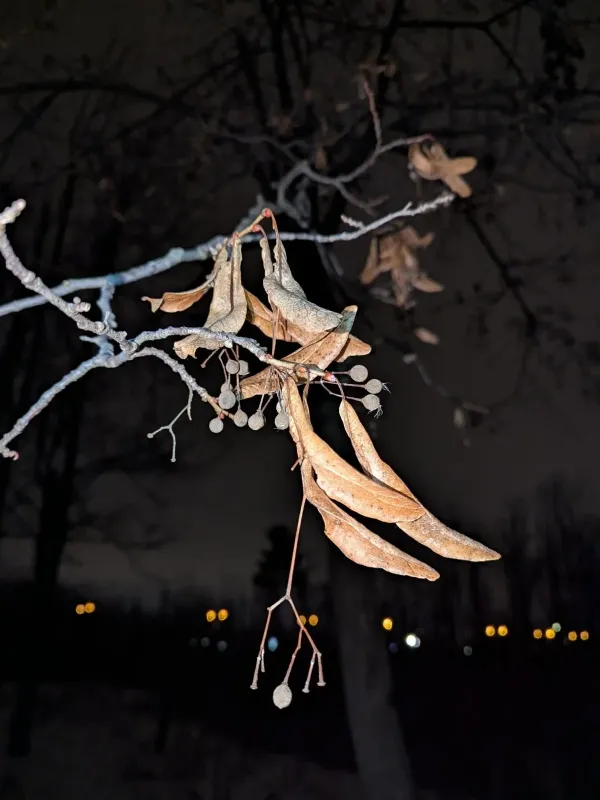
Description
Sowing dates
Propagation of the American linden is primarily achieved through seeds, which possess a dormant embryo requiring stratification to germinate successfully. Seeds should be sown in the autumn to allow them to experience winter conditions naturally in the soil.
For spring sowing, seeds must undergo cold stratification at temperatures between 1 and 5 degrees Celsius for approximately 90 to 120 days. Sowing in rows with 30-centimeter spacing ensures adequate space for seedlings to develop strong root systems.
Seeds are typically planted at a depth of 2 to 3 centimeters in well-draining, loose soil. Maintaining consistent soil moisture is critical during the initial germination phase to prevent the seeds from drying out and losing their viability.
Vegetative propagation via softwood cuttings in controlled greenhouse environments is possible but requires high humidity and precise temperature management. Grafting is occasionally used to clone specific varieties, especially those selected for superior nectar production or ornamental traits.
Seedlings benefit from careful cultivation, including regular weeding and shallow soil loosening. In the first year, young plants should be protected from harsh direct sun and excessive drying winds to ensure steady growth and development.
Growing requirements
The American linden, belonging to the Malvaceae family, is a majestic deciduous tree that thrives in deep, fertile, and moist loamy soils. It is highly valued for its adaptability but performs best when provided with neutral to slightly acidic pH levels.
This species is highly shade-tolerant, making it an excellent candidate for woodland restoration, though it responds with faster growth rates when planted in full sun. It requires protection from soil compaction, which can impede root respiration and water absorption.
The tree exhibits excellent cold hardiness, surviving harsh winters typical of the northern United States and Canada. While mature trees are relatively drought-tolerant, young specimens require supplemental irrigation during prolonged dry spells to avoid stress.
American linden prefers sites with good air circulation but should be shielded from extreme, drying wind gusts. Mulching around the base of the tree with organic matter is highly recommended to retain soil moisture and regulate ground temperature.
Urban plantings must consider the tree's sensitivity to heavy road salt usage and severe atmospheric pollutants. Choosing locations with adequate space for root expansion ensures long-term health and structural integrity of the tree.
Yield
The American linden is a premier source of high-quality timber, known in the trade as "basswood." Its wood is soft, lightweight, and possesses a fine, even grain, making it ideal for wood carving, musical instrument bodies, and high-end cabinetry.
As a prolific nectar producer, this tree is highly sought after by beekeepers for honey production. The resulting honey is typically light in color, mild in flavor, and highly prized for its unique aroma and therapeutic properties.
The flowers of the tree are also harvested for herbal medicine, where they are utilized in teas and tinctures for their calming and anti-inflammatory effects. This provides a secondary source of value from established linden stands.
In agroforestry systems, the species provides valuable ecosystem services, including windbreaks and soil erosion control on slopes. Its dense canopy also serves to significantly reduce the impact of rainfall on the soil surface.
Commercial yields are optimized when trees are grown in managed stands with appropriate thinning schedules to encourage strong trunk development. Mature trees enter their peak production years for both nectar and high-grade timber after reaching 20–30 years of age.
Main diseases and pests
Fungal diseases such as leaf spot and anthracnose are the most common health issues, particularly in high-humidity climates. These pathogens can cause premature leaf drop and reduce the overall photosynthetic capacity of the tree.
Insect pests, including aphids, leaf miners, and linden borers, can inflict significant damage on both foliage and woody tissues. Integrated pest management strategies, such as promoting natural predators, are preferred over broad-spectrum chemical sprays.
Verticillium wilt is a serious, often fatal soil-borne disease that affects the tree's vascular system. Preventing soil disturbance near the root zone and maintaining tree vigor are the primary strategies to mitigate this risk.
During severe drought cycles, trees become highly susceptible to spider mite infestations. Monitoring for yellowing leaves and webbing is essential during hot, dry summer months to apply timely cultural or biological controls.
Mechanical damage to the bark from rodents or landscaping equipment provides entry points for pathogens. Protecting the trunks of young trees with physical barriers is a vital agronomic practice to ensure the tree survives into maturity.