
Small-leaved lime
Tilia cordata Mill.
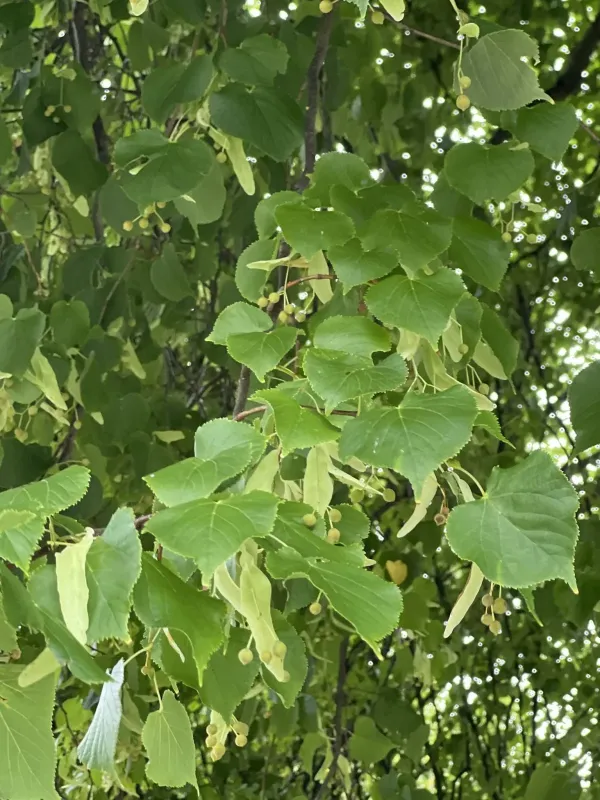
Description
Sowing dates
The small-leaved lime (Tilia cordata Mill.) is a long-lived deciduous tree belonging to the Malvaceae family. It is highly valued for its dense foliage, fragrant flowers, and versatility in both urban landscapes and natural forestry.
Propagation is primarily achieved through seeds, although they exhibit deep dormancy. To ensure successful germination, seeds require a stratification period of several months in a cool, moist environment to break their internal physiological barriers.
Sowing in a nursery setting is best done in autumn, allowing the seeds to undergo natural stratification cycles over the winter. Seeds should be sown at a depth of 2–3 centimeters in well-drained, nutrient-rich soil to prevent rotting.
Young lime seedlings are shade-tolerant but benefit from moderate light to establish a healthy root system. Protecting them from intense competition by weeds during the first three years of life is essential for consistent growth rates.
Vegetative propagation techniques, such as layering or using softwood cuttings, can be employed to clone trees with desired characteristics. This approach is beneficial for maintaining the consistency of ornamental cultivars or high-yield medicinal varieties.
Growing requirements
Tilia cordata thrives best in deep, fertile soils that provide consistent moisture while maintaining good drainage. It performs exceptionally well in loamy substrates but can adapt to various soil types if they are not excessively sandy or waterlogged.
This tree is notably cold-hardy, making it a reliable species for temperate climate zones across the globe. It can withstand significant temperature fluctuations, which contributes to its long lifespan and resilience in varying environments.
Adequate sunlight is required for the plant to achieve its maximum flowering potential. While the tree can tolerate partial shade, full sun exposure is recommended for areas where high-yield production of linden flowers is a primary objective.
Maintenance of the soil, including the application of organic mulch around the root zone, helps regulate soil temperature and moisture. Regular monitoring for soil compaction is advised to ensure proper oxygen exchange for the tree's extensive root network.
In urban settings, the small-leaved lime is noted for its ability to withstand air pollution. However, even in cities, consistent irrigation during prolonged drought periods significantly improves the tree’s vitality and resistance to environmental stress.
Yield
The small-leaved lime is a premier honey plant, renowned for producing a highly sought-after, aromatic honey. Its nectar production is prolific, making it a cornerstone for apiculture and local biodiversity conservation efforts.
The flowers and their associated bracts are harvested for their therapeutic applications, particularly in traditional herbal medicine. They contain various phytochemicals that are valued for their sedative and anti-inflammatory properties.
Beyond flowers, lime wood is highly prized for carpentry, woodcarving, and the creation of musical instruments. Its uniform texture and resistance to warping make it a preferred material for high-quality manual crafts and woodworking.
In forestry, Tilia cordata serves as an excellent windbreak and soil stabilizer. Its ability to enrich the soil with mineral-rich leaf litter makes it a sustainable choice for mixed-species forest plantations and carbon sequestration projects.
The bark of the tree, known as bast, has historically been used for cordage and weaving. Modern research also explores its potential in the production of natural fibers and biodegradable materials for sustainable packaging.
Main diseases and pests
Pest management for lime trees involves monitoring for aphid infestations, which can lead to the development of sooty mold. These pests are a major concern, as they weaken the tree's health and reduce the overall quality of the blossoms.
Fungal diseases, including leaf spot, are prevalent in areas with high humidity and poor air circulation. Proper pruning of the canopy is essential to increase airflow and minimize the spread of fungal spores across the foliage.
Wood-boring beetles can pose a significant risk to the tree's internal structure. It is vital to perform regular sanitation of the orchard or forest, immediately removing infected wood to prevent the spread of these destructive insects.
Frost cracks and sunscald are common mechanical injuries in young trees, which often become entry points for pathogens. Protecting the trunks of young trees during the dormant season is a standard preventive practice for healthy development.
- Linden gall mites
- Spider mites
- Powdery mildew
- Scale insects
Harvesting
Harvesting for medicinal purposes must be timed perfectly, occurring during the peak of flowering. Ideally, flowers should be collected when most buds have opened, but before they show any signs of wilting or browning.
The collection process typically involves gathering the entire inflorescence along with the characteristic leaf-like bract. Harvesting should take place in dry weather, preferably mid-morning after dew has evaporated to ensure higher oil content.
Drying must be conducted in a well-ventilated, shaded area away from direct sunlight. Excessive heat or prolonged exposure to light can degrade the volatile compounds that give linden flowers their healing properties.
Once dried, the raw material should be stored in airtight containers to protect it from humidity and environmental contaminants. This ensures that the medicinal value and aroma remain intact for up to two years of storage.
Sustainability is key during harvest; it is recommended to rotate the trees or areas from which the flowers are collected to avoid over-harvesting. This balanced approach ensures the health and longevity of the lime tree population.