
Silver linden
Tilia tomentosa Moench
Description
Growing requirements
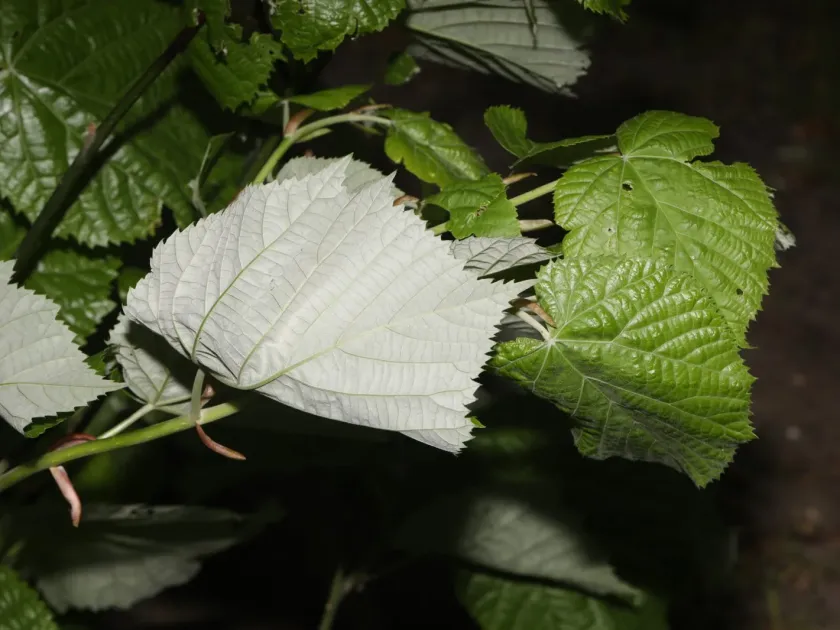
Silver linden (Tilia tomentosa Moench) is a robust deciduous tree belonging to the Malvaceae family, native to southeastern Europe and Western Asia. It is widely recognized for its striking foliage, which features a silvery-white underside that creates a shimmer in the wind.
This species thrives in deep, fertile, and well-drained soils. While it is known for its remarkable tolerance to drought once established, it performs best when provided with consistent moisture levels and organic-rich soil during its initial developmental stages.
Silver linden is highly adaptable to urban environments, showing excellent resistance to heat and air pollution. It prefers full sun exposure to maintain its characteristic dense, pyramidal crown shape, though it can tolerate light shade without losing its structural integrity.
Good agricultural practice for this crop includes regular mulching around the root zone to conserve moisture and suppress weeds. Pruning should be kept to a minimum, focusing mainly on removing dead or crossing branches to maintain the natural habit of the tree.
Economically, the Silver linden is highly valued for its fragrant flowers, which are harvested for medicinal teas and honey production. The timber is also appreciated for its fine texture, making it suitable for carving, musical instruments, and high-quality woodwork.
Main diseases and pests
Aphids are among the most common pests that affect the Silver linden, often leading to the buildup of honeydew and subsequent sooty mold. Proper management involves using mild insecticidal soaps or encouraging natural predators like ladybugs.
Leaf beetles and their larvae can cause significant aesthetic damage by chewing holes in the foliage. If left unmanaged, heavy infestations can cause premature leaf drop, which stresses the tree during the peak of the growing season.
Verticillium wilt is a serious fungal disease that can affect the vascular system of the tree, potentially leading to branch dieback or total decline. It is essential to ensure that planting sites are well-drained to reduce the risk of root pathogens.
Scale insects may attach themselves to twigs and branches, draining nutrients from the tree. Routine inspection of bark and stem health allows for early detection and targeted treatments using horticultural oils during the dormant season.
Maintaining high tree vigor through proper site selection and balanced fertilization is the best defense against major threats. Strong, healthy trees are significantly more resilient to both insect attacks and opportunistic fungal infections compared to neglected specimens.