
Small-leaved linden
Tilia cordata x tilia mongolica
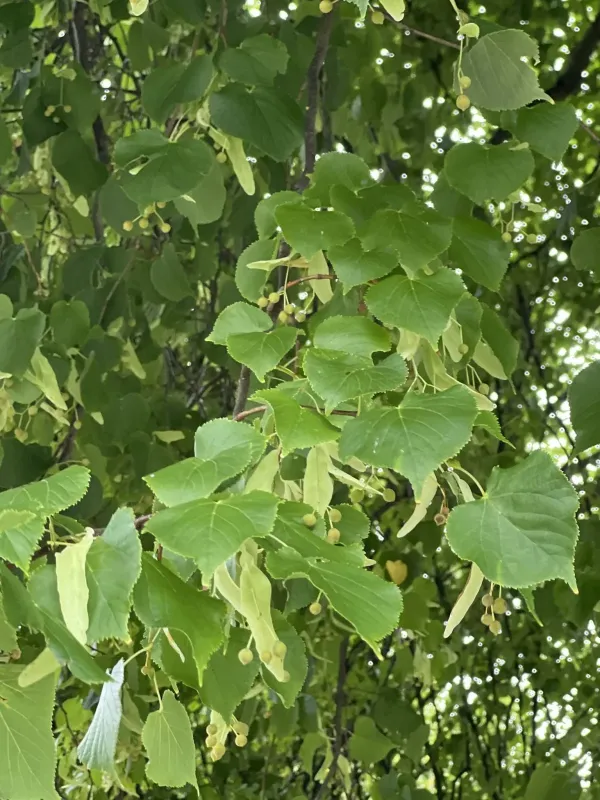
Description
Sowing dates
The small-leaved linden (Tilia cordata) is typically propagated via seeds, which require a strict stratification process to overcome dormancy. Seeds should be kept in cold, moist sand for 3 to 5 months before sowing.
Sowing is best performed in early spring as soon as the soil is workable, or in late autumn, allowing the natural winter cycle to act as a stratification mechanism for the seeds.
Seeds should be covered with 2-3 cm of soil. Young seedlings need careful protection from direct hot sunlight and weeds during their first growing season to ensure robust development.
Nursery propagation often involves growing seedlings in containers for the first two years, which allows for better root system establishment and higher survival rates when transplanted into the field.
Regular irrigation is essential during the early stages of establishment, especially if the planting season is characterized by low rainfall or high temperatures.
Growing requirements
As a member of the Malvaceae family, the small-leaved linden thrives in deep, fertile, and well-drained loam soils. It is highly adaptable to various temperate climates.
The tree prefers slightly acidic to neutral soil pH levels. It is not well-suited for extremely dry or sandy sites and requires consistent moisture to maintain healthy canopy density.
It is one of the most shade-tolerant tree species, making it an excellent choice for planting in the understory of forests or urban green spaces with limited direct light.
The species shows sensitivity to urban air pollution and soil compaction. Therefore, it is best suited for parklands, forest edges, and areas with good air circulation.
Maintenance involves mulching the root zone to preserve moisture and performing periodic pruning to remove damaged or crossing branches, which promotes better air circulation and health.
Yield
The primary economic value of the small-leaved linden lies in its status as a premier honey plant. It produces a vast quantity of nectar, resulting in high-quality linden honey.
Maximum nectar yield is achieved in years with stable weather patterns—warm days followed by warm, humid nights without excessive wind or heavy precipitation during bloom.
Flowers are harvested for medicinal purposes, specifically for herbal teas known for their soothing properties. Harvesting must occur during the peak bloom phase to maximize essential oil content.
Linden wood is prized in the woodworking industry for its fine, even texture and ease of carving. It is a traditional material for high-quality wood carvings and musical instruments.
In forestry, the linden acts as a soil improver. Its leaves decompose rapidly and are rich in calcium, which effectively neutralizes soil acidity and increases the nutrient content for other forest species.
Main diseases and pests
Rodents are a significant threat to young saplings, often stripping bark during winter months. Using protective tree guards or mesh wire is a standard procedure to prevent such damage.
Fungal leaf spot diseases can occur during prolonged periods of damp weather. Maintaining tree vigor through proper site selection and sanitation helps mitigate these risks.
Insect pests like aphids and linden mites can cause leaf deformation and secondary fungal growth. Integrated pest management, including natural predators, is often preferred over chemical applications.
Powdery mildew is a potential issue in dense plantations where airflow is restricted. Proper spacing between trees is crucial for preventing the rapid spread of this pathogen.
- Leaf miners
- Aphids
- Tilia mites
- Leaf spot
- Bark beetles