
Common lime
Tilia x europaea L.
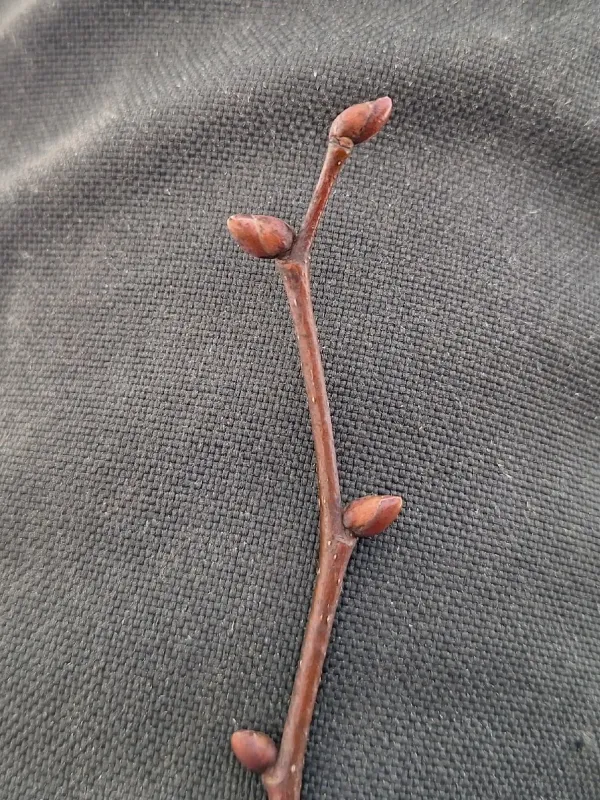
Description
Growing requirements
The common lime (Tilia x europaea) is a hybrid tree species belonging to the Malvaceae family. It is widely cultivated for its aesthetic appeal, dense foliage, and significant ecological value as a prominent honey-producing tree.
This species thrives in deep, fertile, and well-drained soils. While it can adapt to various conditions, it prefers neutral to alkaline soil types and performs best in locations that receive ample sunlight throughout the growing season.
Regarding climate, the common lime is hardy and well-suited to temperate zones. It is notably tolerant of urban pollution, making it a preferred choice for city boulevards, public parks, and large-scale landscape architectural projects.
Botanical growth involves a steady increase in height, often reaching maturity over several decades. The root system is resilient but requires a significant volume of soil to support its large, spreading canopy effectively.
Agricultural management should include consistent mulching to retain moisture around the root zone, as well as periodic pruning to maintain structural integrity and remove any deadwood that may harbor pests.
Main diseases and pests
The lime aphid is a primary concern, as it feeds on the sap and produces honeydew, which can attract secondary fungal infections. This is particularly problematic in densely planted urban environments where air circulation is limited.
Various mite species, including those causing leaf galls, can infest the foliage. While these usually do not cause terminal damage, they significantly detract from the tree's visual health and can weaken vigor over time.
Fungal pathogens such as leaf spot and powdery mildew are common in humid conditions. Managing these involves cultural practices like thinning the crown to improve airflow and disposing of infected leaf litter promptly.
Root rot, specifically caused by Armillaria, can be a serious threat if the soil remains waterlogged or if the tree is suffering from environmental stress. Good soil management is the best defense against such root diseases.
Monitoring for borers and other wood-boring insects is also advised, especially on trees that show signs of dieback. Early detection of larval activity is crucial for the survival of the affected specimen.