
Astilbe thunbergii
Astilbe thunbergii (Siebold & Zucc.) Miq.
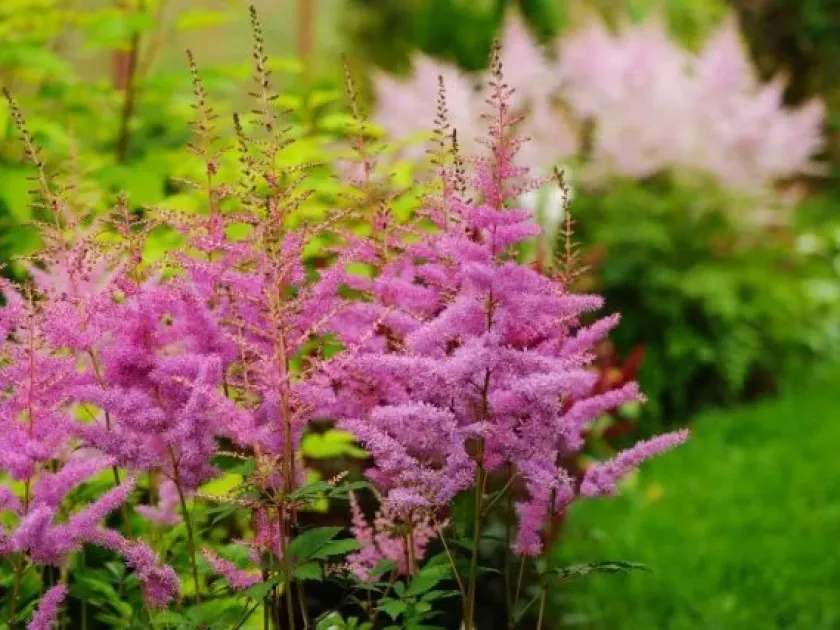
Description
Growing requirements
Astilbe thunbergii is a perennial herbaceous plant belonging to the Saxifragaceae family. This species originates from East Asia, specifically Japan, where it thrives in naturally damp forest environments and mountain slopes.
The plant is botanically recognized by its elegant, arching panicles and finely divided foliage, which provides excellent texture in garden borders. Depending on the specific cultivar, mature plants typically reach heights ranging from 30 to 80 centimeters.
Regarding climate and site requirements, this culture performs best in partial shade conditions. It is essential to protect the plants from harsh midday sun, which can easily scorch the leaves and stunt overall plant vigor.
The soil must be rich in organic matter, slightly acidic, and consistently moist. Unlike many other garden plants, Astilbe cannot tolerate prolonged dry spells, so maintaining consistent soil moisture through mulching is a key success factor.
General maintenance includes regular watering during dry periods, spring fertilization with balanced nutrients, and cutting back foliage in late autumn. Mulching with organic material helps maintain soil temperature and moisture levels throughout the season.
Main diseases and pests
Common threats to Astilbe include nematodes, particularly the leaf and gall nematodes, which can cause significant structural damage to the plant. Affected plants often show twisted leaves and stunted growth, necessitating strict sanitation of planting areas.
The meadow spittlebug is another frequent pest that extracts plant sap. While usually not fatal, heavy infestations can reduce the aesthetic value of the plant, often controlled by periodic scouting and targeted insecticide applications if necessary.
Fungal diseases like root rot may occur if the planting site lacks sufficient drainage. Ensuring that the soil is aerated and not waterlogged is the primary defense against these types of soil-borne pathogens.
In terms of agricultural and horticultural use, the primary role of this plant is ornamental. It is a staple in shade gardens, woodland plantings, and near water features where high humidity levels are naturally maintained.
Proper management of these perennials ensures long-lasting beauty in the landscape. By selecting disease-resistant cultivars and providing consistent care, gardeners can keep Astilbe thunbergii thriving for many years in diverse garden settings.