
Chinese astilbe
Astilbe chinensis (Maxim.) Franch. & Sav.
Description
Sowing dates
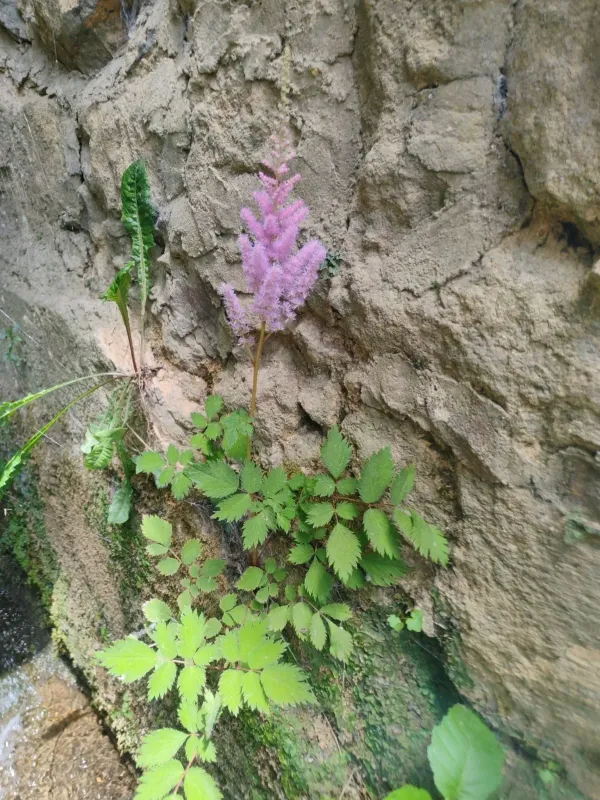
Chinese astilbe, scientifically known as Astilbe chinensis, is a perennial herbaceous plant belonging to the Saxifragaceae family. This ornamental species is native to East Asia, primarily inhabiting moist woodlands, riverbanks, and shaded mountain areas.
The most common and effective method of propagation is the division of mature rootstocks. This is ideally performed in early spring as the new growth emerges or in autumn after the flowering period concludes, ensuring the plant has enough time to establish its roots.
Growing from seeds requires more patience and technical skill, as the seeds are extremely small. They require a period of stratification in cold temperatures for about a month to break dormancy and ensure consistent germination in a greenhouse environment.
When planting in the garden, it is crucial to space the plants appropriately to allow for sufficient airflow. A distance of 30 to 50 centimeters is recommended depending on the specific cultivar's expected spread and size of the mature foliage.
Young plants or divided clumps should be set in well-prepared, nutrient-rich soil. Adding organic matter, such as compost or peat, at the time of planting provides the necessary structure and water retention capacity required for vigorous development.
Growing requirements
Astilbe chinensis thrives in moist, humus-rich soils that are slightly acidic or neutral. It is highly valued for its ability to brighten up shady or semi-shaded areas of the garden where many other flowering plants struggle to survive.
Moisture management is the most important aspect of maintenance. The root system must never dry out completely; therefore, regular and deep watering is essential, especially during hot summer days when transpiration rates are at their highest.
The plant appreciates a layer of organic mulch around its base. This practice serves two purposes: it retains essential soil moisture and acts as a buffer for the roots, which tend to grow upwards over time, exposing them to potential drying and frost damage.
Fertilizing the plants in spring with a balanced slow-release fertilizer or a side-dressing of organic compost supports healthy leaf development and profuse flowering throughout the growing season.
The species is remarkably winter-hardy and can withstand significant frost. In colder climates, a simple layer of leaves or straw placed over the crowns in late autumn provides additional protection against extreme temperature fluctuations.
Main diseases and pests
While generally robust, Chinese astilbe can be susceptible to leaf spot diseases, especially in seasons with high humidity and poor air circulation. Thinning out the plants and avoiding overhead irrigation can significantly reduce the risk of fungal infections.
Root rot is a common issue caused by poor drainage or overwatering in heavy, clay-based soils. If the roots remain in waterlogged conditions for too long, they will inevitably decay, leading to the rapid decline and death of the plant.
Nematodes are among the most serious pests for astilbes, causing stunting, leaf distortion, and general lack of vigor. If an infestation is suspected, affected parts should be removed immediately, and the soil may need treatment.
Tarnished plant bugs and aphids may occasionally feed on tender foliage and buds. Integrated pest management, which includes encouraging beneficial insects and using mild horticultural soaps, is usually sufficient to manage these populations.
- Monitor for discoloration of foliage on a weekly basis
- Ensure excellent drainage in the planting site
- Practice good garden hygiene by clearing debris in autumn
- Provide consistent watering to reduce plant stress
- Avoid over-crowding to maintain air movement