
Hybrid Astilbe
Hybrid between Astilbe x arendsii and Astilbe japonica
Description
Growing requirements
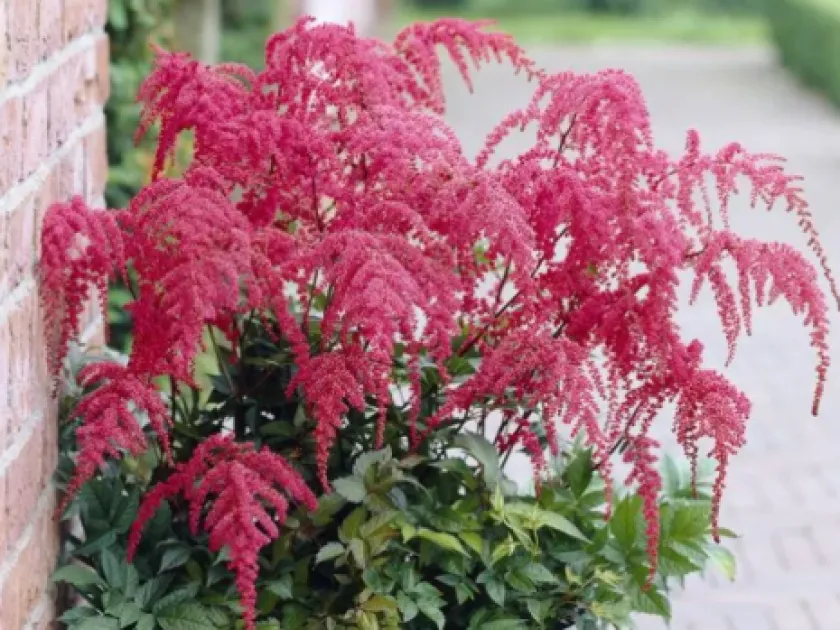
Hybrid Astilbe (Astilbe x arendsii) belongs to the Saxifragaceae family. It is a group of hybrids developed for ornamental purposes, characterized by feathery inflorescences and lush, compound foliage. These plants are true treasures for shady garden borders.
The species thrives in cool, moist environments with partial shade. Direct, intense sunlight is detrimental to the plant, causing foliage burn and rapid wilting. Ideally, they should be grown in locations with dappled shade, such as woodland margins or northern exposures.
Soil requirements are quite specific: plants need deep, rich, moisture-retentive, and slightly acidic soil. Good drainage is essential, as the plant cannot tolerate waterlogged conditions that lead to root rot, despite its general love for moisture.
Maintenance techniques include consistent irrigation and annual mulching. As the rootstock grows upward over time, mulching helps protect the crown from drying out and maintains the stability of the plant within the soil layer during winter dormancy.
In landscaping, Astilbe is widely used for mass planting, container gardening, and perennial borders. Its ability to bloom throughout the summer in shaded areas makes it an indispensable component for creating multi-layered landscape compositions.
Main diseases and pests
The most serious pest threats include nematodes, specifically foliar and root-knot varieties. These pests cause severe distortion of foliage and can lead to the complete decline of the plant. Infected specimens should be removed and destroyed to prevent spreading.
Spittlebugs are another common nuisance, damaging the stems and young growth. While they rarely kill the plant outright, they cause cosmetic damage and weaken the plant, making it more susceptible to environmental stressors and fungal infections.
Fungal diseases like leaf spot and root rot are common in areas with poor air circulation. High humidity and overcrowding create the perfect breeding ground for these pathogens, requiring vigilant observation and appropriate cultural management.
Cultural prevention remains the best defense. Ensuring adequate spacing between plants allows for proper airflow, reducing the humidity around the leaves and minimizing the risk of fungal outbreaks. Clean gardening practices significantly lower the disease pressure.
For chemical control, targeted fungicides and insecticides may be employed if infestations exceed economic thresholds. Always ensure that the selected products are suitable for decorative perennials and apply them according to the local agricultural regulations.